As an Amazon Associate, we earn from qualifying purchases. Some links on this site are affiliate links at no extra cost to you. Our recommendations are based on thorough research and editorial judgment.


How a Suit Should Fit: The Shoulder, The Sleeve, and The Break

Have you ever put on a suit that just didn’t feel right? It’s frustrating when the fit isn’t on point—it can completely change the way you carry yourself.
When it comes to getting a suit that fits perfectly, there are three key areas to focus on: the shoulder, sleeve, and trouser break.
First up, let’s talk about the shoulders. You want them to hug your natural bone structure without any drooping. Ever notice those annoying divots? Yeah, we want to avoid those. A good shoulder fit can seriously upgrade your overall look.
Moving on to the sleeves, be sure they end right at your wrist break. The goal here is to flash about 1 to 1.5 centimeters of your shirt cuff. This little detail can make a big difference in giving you that polished appearance.
Now, what about the trousers? Aim for a slight break at the shoe. This just means the fabric slightly rests on the shoe—a small detail but it really enhances your style.
So, why do these details matter? Because they elevate your overall appearance and show you’ve put thought into your outfit. Frankly, it’s all about confidence.
When you know your suit fits well, you’ll carry yourself differently.
In summary, focus on the shoulder, sleeve, and break. Make sure each is just right, and you’ll find that a well-fitted suit transforms not just how you look, but how you feel, too.
What’s the next event you’re dressing for?
Key Takeaways
- The suit shoulder should align with the natural shoulder bone, ensuring no drooping or divots for a balanced look.
- Sleeves should end at the wrist break, showing 1 to 1.5 centimeters of shirt cuff for an appropriate fit.
- The jacket hem should cover the base of the crotch, avoiding awkward lengths for a refined silhouette.
- Trouser fit is crucial: aim for a comfortable waist and a flat rear without pulling or gapping at the pockets.
- Choose the trouser break that suits your style; a full break for formal, a half for balance, and no break for a modern look.
Understanding Suit Shoulder Fit: Key Characteristics and Importance
When you’re getting suited up, have you ever thought about the importance of shoulder fit? It’s a crucial part of looking sharp. A well-fitted shoulder seam should hug your natural shoulder bone—no drooping fabric or unsightly divots. This creates a clean line that really helps pull together your entire look.
So, what should you keep in mind?
- The way your shoulders fit affects how the sleeves and the rest of the body of the suit fit, too.
- If your suit’s shoulders are snug, you’ll be able to move comfortably without any issues.
- Accurate measurements at the start are key; making adjustments after the suit is made can be tricky.
To hit that sweet spot, avoid that baggy look that comes from too much extra fabric. Tightness can also lead to problems, so aim for a balance. A well-fitted shoulder is one of those little things that can make a big difference in your overall style.
Choosing a suit constructed with quality fabrics ensures the shoulder fit maintains its shape and comfort over time.
How would you feel stepping into a room confidently knowing your suit fits just right? It’s worth the effort to get it right!
Recommended Products

Complete CAT 4 Protection: Stay protected while navigating electrical environments with our Arc Flash Kit, featuring a small 40 Cal FR bib overall, coat, class 2 rubber voltage gloves, face shield, safety glasses, gear bag, and tools
Complete CAT 4 Protection: Stay protected while navigating electrical environments with our Arc Flash Kit, featuring a medium 40 Cal FR bib overall, coat, class 2 rubber voltage gloves, face shield, safety glasses, gear bag, and tools
Complete CAT 4 Protection: Stay protected while navigating electrical environments with our Arc Flash Kit, featuring a 3x-large 40 Cal FR bib overall, coat, class 2 rubber voltage gloves, face shield, safety glasses, gear bag, and tools
Achieving the Perfect Sleeve Length: A Step-By-Step Guide

Are your suit jacket sleeves driving you crazy? Finding that sweet spot for sleeve length can make a huge difference in how you look and feel in your outfit. Ideally, your jacket sleeve should end right at the wrist break, showing just about 1 to 1.5 centimeters of shirt cuff. Here’s how to nail that perfect fit:
First off, make sure your arms are relaxed at your sides. This is key when checking your sleeve length. If you notice too much shirt cuff peeking out, the sleeves probably need to be shortened. Conversely, if the sleeve completely covers the cuff, it’s definitely too long and adjustments are in order.
Next, take a close look at the button area. A well-fitted sleeve won’t pull or create any tension here; you want a smooth finish all around. And don’t overlook the shoulder fit—this factor can greatly impact sleeve length. A perfect shoulder fit helps ensure everything aligns just right for tailored adjustments. Considering tailored fits can significantly improve both comfort and appearance, making your suit look polished and sharp.
Recommended Products
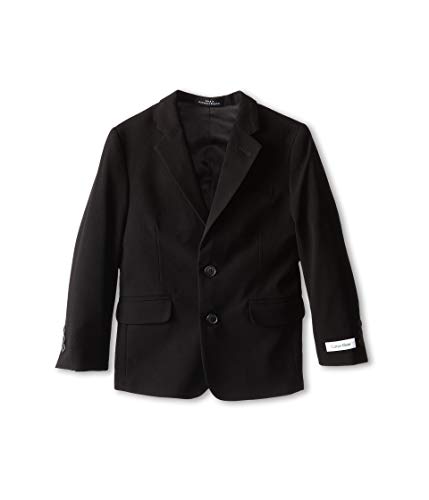
A DRESSWEAR STAPLE: Our Calvin Klein Blazer Suit Jacket is a classic boys wardrobe staple, tailored with a touch of stretch. Featuring a regular fit, 2-button single breasted closure, notched collar, lightly padded shoulders, chest pocket, 2 interior pockets & 2 front flap pockets, this is the perfect blazer for any occasion.

ALPHA SIZE: CHEST XS 32-34, SMALL 36-38, MEDIUM 40-42, LARGE 44-46, XL 48-50, XXL 50-52
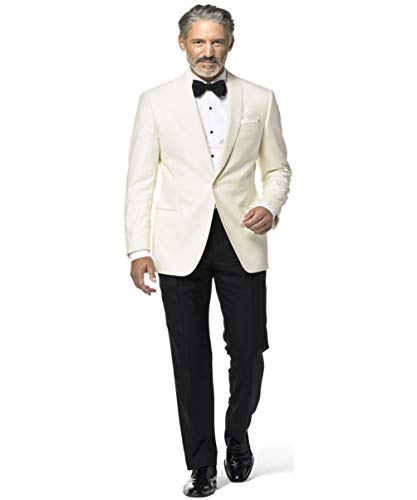
100% Polyester
The Significance of Jacket Length in Suit Fit

When it comes to picking the right jacket length for your suit, getting it right is more important than you might think. You want a look that’s sharp and polished, which means a jacket that fits well is crucial. So, where should it hit? A good rule of thumb is that the hem should cover the base of your crotch. This simple guideline helps maintain visual balance in your overall outfit.
Think about how a jacket that’s too short or too long can throw off your entire look. If the hem sits above your rear, it might make your suit feel awkward or unflattering. On the flip side, if it drapes below your bottom, you’re risking that oversized vibe that can come off as sloppy.
Style plays a role here, too. Traditional suits usually lean towards a longer jacket, which offers a classic feel. Meanwhile, contemporary styles often go shorter for a more modern vibe. By paying attention to this detail, you can really enhance your tailored silhouette, giving you that refined and put-together look that turns heads.
So, why does this matter? It’s all about achieving the balance the suit was designed for. A jacket that fits well keeps everything looking sharp, and that can make a big difference in the impression you leave.
In short, mastering jacket length is key to nailing that sophisticated appearance you’re aiming for. Next time you’re in the fitting room, take a moment to check that hem. Remember, every detail counts when dressing well! What’s your favorite tip for finding that perfect fit? Also, consider the fit types when choosing jacket length to complement your body shape and the event you’re attending.
Trouser Fit: Finding the Right Waist and Seat
Finding the right trouser fit can feel like a daunting task, especially if you want to nail that polished suit look. A good fit is just as important as having the right jacket. Ever tried on a pair of trousers that were too loose and realized you had to rely on a belt just to keep them up? That’s not how it should be! The waist should hug you comfortably, ideally sitting right at your natural waist or slightly below—it’s about comfort and style.
Here are some key points to think about when you’re evaluating fit:
- First off, check the rear. The trousers should lay flat against your body without pulling or gapping at the pockets. If it’s bulging or sagging, it’s a sign you might need a different size or style.
- Next, don’t forget about movement. You want to feel free and flexible when you’re wearing your trousers. A quick pinch test can help: pinch the fabric at the thighs, seat, and waist to see if it feels too tight or too loose.
- And let’s talk about length—aim for a slight break at the shoe. This modern look gives your trousers a polished finish without looking baggy.
So, why does this matter? A great fitting trouser can elevate your entire outfit. It avoids excess fabric that can distract from your overall appearance.
Additionally, choosing tailored fits is essential for ensuring both comfort and a clean silhouette.
At the end of the day, the right trousers can make or break a suit. Don’t settle for anything less than a fit that makes you feel confident. What’s your go-to tip for finding the perfect fit?
Recommended Products

Super 120s Luxury Wool

Bottom hemmed plain front pocket pant side seam

With the Calvin Klein skinny fit suit separate you can customize your jacket and pant size for that special occasion or your next important meeting, dressing to impress has never been easier.
Choosing the Right Trouser Break for Shoes
Have you ever wondered how to choose the right trouser break for your shoes? It might seem like a small detail, but it can totally change the vibe of your outfit. Think about it: the way your trousers fall can make a big difference in your overall look. Here are some options to consider:
- Full Break: This style drapes your trousers over your shoes, creating some nice creases. It’s a classic choice that works great with formal shoes if you’re aiming for a polished appearance.
- Half Break: This option gives you a slight crease that avoids any pooling fabric. It strikes a nice balance between relaxed and put-together, making it a solid choice for many occasions.
- No Break: If you’re looking for something more modern, no break is the way to go. This style sits above the shoe and shows off your ankle, which pairs perfectly with slim fit trousers and adds a fresh twist to your look.
Don’t forget about the shoes you’re planning to wear! Polished dress shoes typically look best with a full break, while loafers or sneakers really shine with a no break. So, why does this matter? Because getting the right break helps to enhance your outfit and highlights your personal style.
In the end, understanding these little details can make all the difference. Next time you’re getting dressed, think about how the trouser break can elevate your overall silhouette. Well-tailored clothing, including trouser breaks, is essential in creating a polished appearance and emphasizing physique. What’s your go-to trouser style?
Recommended Products
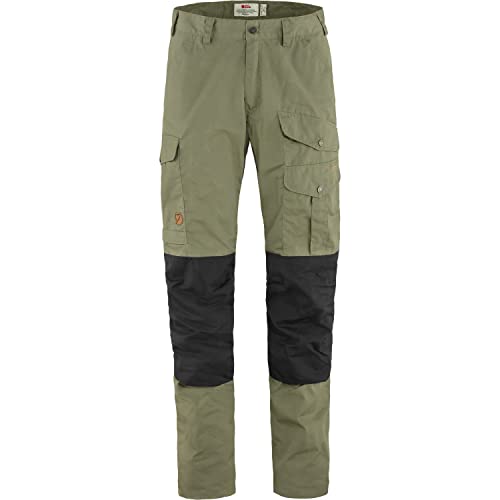
Robust trousers in G-1000
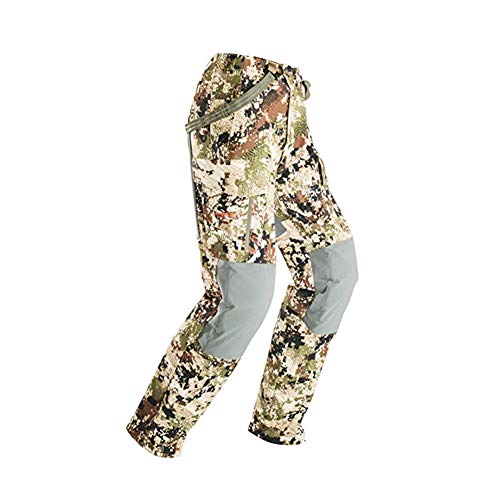
CONCEALMENT - Subalpine is designed for stalking and ambushing ungulates from ground level in tree-covered and vegetated terrain, Open Country is optimized for engagement ranges of 50 yds and beyond at ground level in rocky terrain above the timber line
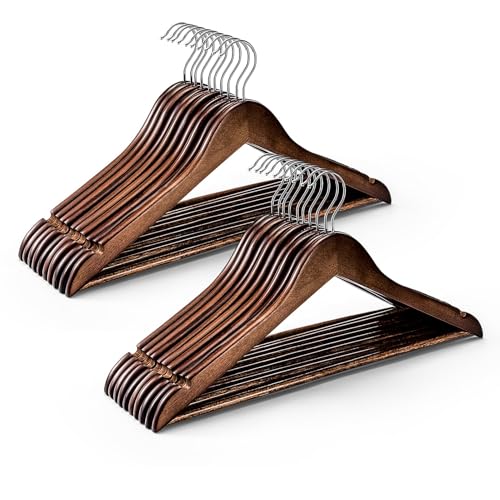
360° SWIVEL HOOK - The wood hangers can rotate 360 degrees, you can easily hang clothes from any angle and find your clothes at a glance, can also keep the hanging direction of each piece of clothing consistent, make a neat and tidy space.
Common Fit Issues: Identifying and Addressing Problems
Ever look in the mirror and feel something’s off about your outfit? It could be a fit issue throwing things off balance. Proper shoulder fit is really important—make sure they sit right on your natural shoulder bone. If they’re hanging over or creating divots, it’s time to reassess. And when it comes to sleeves, they should hit right at your wrist bone. You want to show 1-1.5cm of your shirt cuff without going overboard.
Fit problems can reveal themselves in a couple of ways. If you notice an X-pattern across the buttons, that’s a sign things are too tight. On the flip side, if there’s lots of extra fabric draping, you might be in the wrong size.
When you’re checking trouser fit, start at the waist. It should feel snug, but you shouldn’t have to struggle to move. The pinch test is your friend here—make sure you can comfortably pinch a bit of fabric without feeling restricted. And take a good look at the break of the trousers; there should be a subtle crease at the cuff that sits just above your shoe.
Let’s be real: too-short or too-long trousers can ruin your whole vibe. Nobody wants to look unprofessional because of bad hem lengths. Focus on getting that perfect fit—it really does set the tone for your whole look. Additionally, pairing your suit properly with versatile footwear like tassel loafers can enhance your outfit’s overall balance and style.
The Benefits of Tailoring for a Better Suit Look
Proper tailoring can make a world of difference when it comes to looking sharp in a suit. Instead of settling for just any fit, consider how those small adjustments can shift your whole look from okay to outstanding. Think about it—how many times have you put on a jacket that just didn’t feel right?
Here are some key areas to focus on for a more tailored suit:
- Make sure the shoulder seam sits perfectly on your natural bone. If it’s off, the whole jacket will look unbalanced.
- Check your sleeve length. Ideally, you want a bit of shirt cuff peeking out—about ¼ to ½ inch—because it gives off a polished vibe.
- Look at your collar. A good fit should sit flush against the shirt collar without any gaps, ensuring you look put-together.
These tweaks not only improve comfort but they also elevate your overall professional appearance. Plus, it’s worth noting that tailored trousers can help avoid that annoying pulling or sagging, which keeps your look clean and sharp.
So, why does this matter? A well-fitted suit isn’t just about looking good; it sends a message about your personal style and attention to detail. When you walk into a room in a suit that truly fits, you leave a lasting impression, and that’s something you can’t overlook.
In the end, investing in proper tailoring can be one of the best decisions for your wardrobe. Have you ever considered tailoring your suits? Give it a shot! Additionally, choosing a suit made from high-quality wool blends ensures both a luxurious feel and durability to complement your tailored fit.
Recommended Products

Butter Soft Cowhide 1.2 - 1.3mm

Fabric: Vintage pattern lace with soft and skin-friendly lining with a slight stretch.

COMPLETE 3-PIECE SUIT SET: Includes tailored single-breasted jacket, matching 5-button vest, and flat-front dress pants. A refined, polished look for weddings, business meetings, prom, church services, and formal occasions.
Frequently Asked Questions
How Should a Suit Fit in the Shoulders?
For the perfect shoulder fit, we need the shoulder seam to align with our shoulder width, allowing for tailored fit without overhang. This guarantees ideal armhole depth, fabric drape, and movement range that enhances our suit silhouette.
How Are the Sleeves on a Suit Supposed to Fit?
“A stitch in time saves nine.” For perfect suit sleeves, we guarantee a proper length and width, allowing shirt exposure while tailoring for movement. The armhole fit and button stance contribute to an elegant drape and cuff style.
What Are Common Suit Fitting Mistakes?
We often make mistakes in suit size, collar fit, and shoulder seam alignment. Poor fabric choice and incorrect button placement can ruin our look, while neglecting length measurement and vent position affects overall style preference and waist adjustment.
How to Wear a Suit With a Broken Arm?
We can’t just toss on any suit with a broken arm and expect elegance, can we? Embracing adaptive clothing with tailored solutions and stylish braces, we find confidence in discomfort through functional fashion and alternative fits that truly support us.


