As an Amazon Associate, we earn from qualifying purchases. Some links on this site are affiliate links at no extra cost to you. Our recommendations are based on thorough research and editorial judgment.


Color Theory 101: Understanding the Color Wheel for Men’s Outfits

Ever stand in front of your closet and wonder why nothing feels right? Understanding color theory might just give your wardrobe the refresh it needs. The color wheel is a great starting point. It helps you see the difference between warm tones—like reds and oranges—and cool tones—like blues and purples. This is key when mixing and matching your outfits.
First, figuring out your skin tone is crucial. You can do this with a simple vein test. If your veins look greenish, you’re likely warm-toned. If they’re more blue, you’re in the cool category. Knowing this makes selecting colors that suit you a lot easier.
When it comes to fabric, don’t skimp on quality. Opt for materials like brushed cotton and wool blends, especially those weighing between 200-300 grams per meter. They’ll give your clothes the right structure and feel good wearing them.
Now, about color coordination—try the three-color rule. Basically, pick a base color, a complementary color, and an accent color. This creates a balanced and cohesive look while allowing some fun and flair.
So, why does this matter? It’s all about elevating your style without trying too hard. The best part is, once you start mastering these principles, you’ll notice your confidence will grow along with your wardrobe.
In the end, refining your approach to color and fabric can change how you feel in your clothes.
What’s one color you’ve been wanting to try but haven’t yet?
Key Takeaways
- The color wheel distinguishes between warm tones (reds, oranges, yellows) and cool tones (blues, greens, purples) to facilitate outfit selection.
- Complementary colors enhance visual appeal by pairing opposite colors on the wheel, creating striking, balanced combinations.
- Analogous colors, found next to each other on the color wheel, provide a subtle and elegant look for more sophisticated outfits.
- The three-color rule starts with a neutral base, incorporates a complementary color, and finishes with an accent for a cohesive outfit.
- Knowing your skin tone helps in selecting colors that flatter, boosting confidence and enhancing overall appearance in your outfits.
How Does Understanding Color Theory Transform Your Wardrobe?
Have you ever stared at your closet full of clothes and felt like you have nothing to wear? It can be overwhelming to make outfit choices that feel fresh and put-together. That’s where understanding color theory can really come in handy; it can elevate your wardrobe choices and simplify getting dressed.
Start by checking out the color wheel. It helps in spotting complementary, analogous, and monochromatic color schemes. Knowing these combinations lets you mix and match colors without feeling lost. Plus, it’s not just about the colors; knowing your skin tone—whether it’s warm, cool, or neutral—can guide you in picking out shades that flatter you best.
Here’s the trick: apply the three-color rule when dressing. Begin with a neutral base for your outfit, add a complementary color to bring it to life, and finish with an accent color for that pop. This method not only creates balance but also gives you a structured way to play with colors.
Honestly, putting these principles into practice can change how you view your wardrobe. It’s all about simplifying your outfit selection while giving you the freedom to experiment with different shades and tones. This way, you can create a wardrobe that showcases your personality and adapts easily to different occasions. Additionally, understanding how fabric properties like breathable mesh lining affect comfort can help you choose clothing that looks and feels great all day.
Understanding the Color Wheel: Key Concepts for Men’s Fashion

Understanding the color wheel can really help improve your fashion game. It’s all about how colors work together. So, what’s the deal with colors?
There are warm tones like reds, oranges, and yellows, which can add energy to your outfit. On the flip side, you’ve got cool tones such as blues, greens, and purples that can bring a calm vibe. Mixing these different tones can take your style to the next level.
Want to stand out? Try pairing complementary colors. For instance, teaming navy blue with a bright ochre yellow can create a striking look. Or, if you’re in the mood for something softer, go for analogous colors. Think of a blend of blue, teal, and green for a look that oozes subtle elegance.
Don’t overlook monochromatic schemes either. Sticking to variations of a single color can be super effective. For example, shades from dark charcoal to light gray can make a polished outfit that feels coherent.
Neutral colors are your best friends. Incorporating beiges, whites, or navy can ground your look and keep it balanced. So, when you’re trying to put outfits together, keep these color combinations in mind for great versatility.
Truth is, mastering color relationships not only enhances your style but also helps you feel more confident in what you choose to wear. Incorporating the right accessories, like a well-maintained pair of shoes from a quality shoe shine kit, also complements your overall look. What colors are you thinking of adding to your wardrobe?
How to Identify Your Skin Tone for Better Color Selection?

How do you figure out your skin tone so you can pick the best colors for your outfits? Knowing your skin tone can really help when it comes to choosing shades that flatter you. Typically, we can break down skin tones into a couple of categories:
- Warm: Think yellow, peachy, or golden hues.
- Cool: These lean toward pink, red, or blue undertones.
Want to pinpoint your skin tone? Here are a couple of practical methods to try:
- Vein Test: Check out the veins on your wrist. If they look greenish, you’re likely warm-toned. If they appear blue, you’re probably cool-toned.
- Jewelry Test: Take a moment to see which kind of jewelry you tend to gravitate toward. You might find that gold complements warm tones, while silver shines on cool tones.
Sometimes, it gets a bit more complicated. Some people have neutral skin tones, which means they can mix a bit of both warm and cool undertones. This gives you a wider range of colors to play with, which is pretty awesome!
So, why does this matter? Understanding your skin tone can seriously up your outfit game. You might find that certain colors just work better for you, and it’s all about feeling confident in what you wear. Also, taking care of your clothes with natural bristle brushes can help keep your wardrobe looking its best, complementing your color choices.
In the end, knowing your skin tone isn’t just about aesthetics; it’s about embracing your unique beauty. Have you figured out your tone yet?
Recommended Products
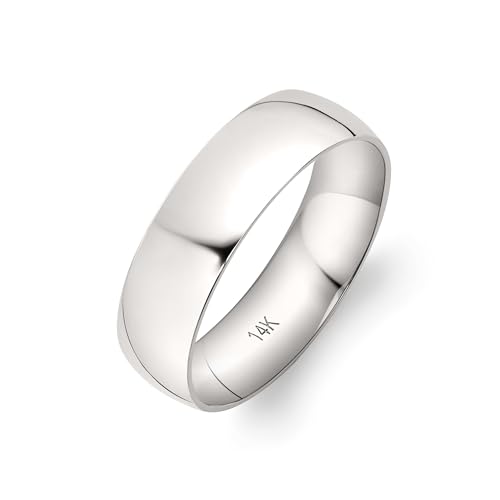
SOLID 14K WHITE GOLD – Crafted from solid 14K white gold, this wedding band offers the lasting value of real gold in a timeless design made for everyday wear. Not plated, gold filled, or gold-tone. Nickel-free and hypoallergenic for sensitive skin.

Used Book in Good Condition

SOLID 14K WHITE GOLD – Crafted from solid 14K white gold, this wedding band offers the lasting value of real gold in a timeless design made for everyday wear. Not plated, gold filled, or gold-tone. Nickel-free and hypoallergenic for sensitive skin.
Best Seasonal Color Palettes: Year-Round Inspirations
Have you ever opened your closet and felt overwhelmed by choices, especially as the seasons change? Understanding seasonal color palettes can be a lifesaver for creating outfits that feel fresh and align with nature’s shifts. Each season brings its own set of vibrant palettes that can really enhance your wardrobe.
Spring is all about warmth and brightness. Think of inviting colors like coral, soft pink, and fresh green. These hues evoke a sense of renewal and remind you that life is blossoming all around. If you want to feel energized and alive, embracing these shades is the way to go.
When summer rolls around, you might want to lean into soft and cool colors. Pastels, light blues, and soft grays can create a relaxed vibe that perfectly suits those lazy, sunny days. Picture yourself in a light blue dress or soft gray shorts, sipping a cool drink—it’s all about that chill summer energy.
As autumn arrives, it’s time to embrace those rich, earthy tones. Deep greens, burnt oranges, and burgundy are perfect for capturing the warmth of the season. It’s like wearing a cozy blanket that matches the glowing leaves outside. Consider mixing these colors into your wardrobe—it’s an easy way to feel connected to the beauty of fall.
Lastly, winter calls for bold and striking colors. True black, navy blue, and jewel tones such as emerald, sapphire, and ruby can really stand out against the often-muted backgrounds we see. Think about how stunning a deep emerald green coat can look against a snowy backdrop. Adding these bold shades can bring a touch of drama to your winter outfits. Pairing these seasonal colors with garments crafted from high-quality fabric blends ensures not only vibrant hues but also lasting comfort and style throughout the year.
Recommended Products

Luxury Designer Beanie for Men – Authentic Givenchy black and white knit beanie crafted with a premium fashion-forward look for cold-weather wear.

Ideal for athletic or casual looks.

SIZE UP. Polo is slim fit & runs small, size up to ensure proper fit.
Mastering the Color Trio for Balanced Outfits
Have you ever stared at your closet, feeling like you have nothing to wear, even though it’s packed? You’re not alone in wanting to look put together without spending hours coordinating your outfits. The secret often lies in mastering a simple three-color rule.
Start with a neutral base; navy or charcoal are great choices for your foundation. These colors are versatile and chic, making it easy to build around them. From there, think about adding a complementary tone. Shades like sage or rusty orange can break up the heaviness of your neutral and add some personality to your look.
To really make your outfit pop, finish it off with an accent color. Burgundy and soft pink are excellent picks for that extra depth. It’s all about balance; this trio can help you achieve a stylish yet harmonious vibe. So, why does this matter? Creating outfits becomes less daunting when you have a reliable framework to work with.
Here’s the trick: Choose your neutral, pick a complementary shade, and finish with an accent. It’s a simple plan that can totally transform how you approach getting dressed. Honestly, once you get the hang of it, those mornings of indecision will be behind you. Incorporating butterfly bow ties can add a sophisticated touch that complements the color trio perfectly.
Use Neutrals for a Strong Wardrobe Base
When you’re struggling to find something to wear, it often feels like you have a closet full of clothes yet nothing fits the occasion. This is where having a solid wardrobe base becomes important, and neutrals are your best friends in this journey. Shades like navy, charcoal, black, beige, and cream are not only versatile but also make life so much easier when it comes to getting dressed.
Neutrals can easily be mixed and matched with just about any color. Want to add a pop of vibrancy? Pair a bright top with your favorite neutral bottoms. This way, you’ll create outfits that are cohesive without even trying too hard. Plus, when you have a strong neutral base, packing for trips or rushing out the door becomes a breeze.
Mixing different shades and textures of neutrals adds some fun dimension to your outfits as well. For instance, combining a light beige sweater with dark charcoal jeans brings depth without overwhelming your look. You’ll find this approach works all year round, keeping things fresh through the changing seasons.
Maybe you’re wondering how to make sure you’re always looking your best? Neutrals flatter so many skin tones, and they help you stick to the three-color rule that keeps everything balanced. It’s as simple as choosing a couple of accent colors to go with that neutral base.
Honestly, once you get a hang of working with neutrals, you’ll find creating a timeless, adaptable wardrobe feels less daunting. Plus, it gives you the freedom to focus on elevating your style without constantly stressing about what to wear. So, why not start reshaping your wardrobe by investing in some key neutral pieces? You might just be surprised at the possibilities! Also, keeping your clothes sharp and lint-free can be effortless with a lint roller’s stickiness level that ensures a polished appearance all day.
Recommended Products
![[BLANKNYC] mens Rock Solid Suede Shirt Leather Jacket, Trending Up, Large US](https://m.media-amazon.com/images/I/414CGF3a40L._SL500_.jpg)
BREAKING FASHION BOUNDARIES SINCE 2007: [BLANKYNYC] exploded onto the fashion scene with a ramped up urban attitude and stripped-down irreverent edge, creating approachable clothing and obsession-worthy fits, fabrics, and designs without sacrificing quality

![[BLANKNYC] womens Luxury Clothing Cropped Suede Leather Motorcycle Jackets, Comfortable & Stylish Coats, Cloud Grey, Medium](https://m.media-amazon.com/images/I/41gslIMf4GS._SL500_.jpg)
BREAKING FASHION SINCE 2007: [BLANKYNYC] exploded onto the fashion scene with a ramped up urban attitude and stripped-down irreverent edge, creating approachable clothing and obsession-worthy fits, fabrics, and designs without sacrificing quality
How to Add Personality With Bold Accent Colors
Want to add some personality to that neutral outfit? Bold accent colors could be just what you need! Think shades like burgundy, dusty teal, or rust. They can really bring some life to your look.
Try using a three-color rule as a simple guideline. Start with a neutral base—maybe gray or navy—and then add a bold accent color along with a complementary shade. It’s an easy way to keep things stylish without going overboard.
Ever notice how earthy tones like soft pink and light blue can work wonders? They’re super versatile, transitioning beautifully through different seasons. It gives you that fresh vibe that’s so appealing.
When it comes to adding bold colors, focus on your accessories. For instance, a burgundy tie or a pocket square can introduce a nice pop of color, and it won’t overwhelm your outfit. Who doesn’t love a little detail that makes a big statement?
Now, here’s a tip: Match those accent colors to your skin tone. Warm undertones generally look better with warmer bold hues, while if you’ve got cool undertones, you’re likely to shine in cooler shades. It adds that extra touch that feels just right.
Truth is, when you incorporate these bold accents, it not only enhances your outfit; it can also elevate your whole appearance to something polished and sophisticated. So, which bold color are you thinking of trying next?
For added versatility and sophistication, consider pairing your bold accent colors with classic outerwear like a timeless trench coat that complements both casual and formal looks.
Recommended Products

Jacket: Slim Fit, Single-breasted, Shawl Collar, One-Button Closure, Sateen Shawl Color, Two Front Slide Pockets, Chest Pocket, interior Pockets, Double Side/Back Vents, Fully Lined, Button Detail on Sleeve


Elegance for the groom – Refined tie in shiny silk satin, ideal for the wedding day.
Matching Textures and Colors for a Complete Look
Ever look at your closet and feel like you’ve got nothing to wear, even though it’s packed? You’re not alone. Sometimes, it’s less about the number of clothes you have and more about how they work together. Matching textures and colors can really boost your outfits from basic to stunning, making them feel more put-together.
Try this: Consider incorporating waffle knits into your wardrobe. They’re a perfect choice for those cooler months since they provide warmth while adding a nice layer of dimension to your look. You can mix it with items like brushed cotton, which holds its shape well in casual outfits. Team those with tailored bottoms to nail that polished vibe.
And don’t forget about lightweight merino wool! It’s breathable and resists wrinkling, making it a smart travel buddy. Pair it with seasonal colors, and you’re set to impress. Honestly, fabric weight matters, too. In winter, deeper hues with heavier textures work wonders, while lighter fabrics in softer shades keep you cool in the warmer months. Selecting the right fabric quality based on seasonality enhances both comfort and style.
Common Color Matching Mistakes to Avoid
Ever stand in front of your closet, feeling stuck because nothing seems to match? You’re definitely not alone. Color matching can be tricky, but we can avoid the common mistakes that lead us down the wrong fashion path.
A big mistake is starting with way too many colors. It can really clutter your look. Instead, focus on neutral shades and pick one color to stand out. This way, your outfit looks more put together.
When it comes to bold colors like rust and burgundy, try not to pair them directly. They can clash and create visual confusion. Mixing them can often end up looking chaotic instead of stylish.
Good tailoring and fabric quality matter a ton. You need to match the weight of your fabrics to maintain balance. Pairing heavy fabrics with lighter colors? It’s something you should approach with caution.
Versatile pieces are your best friends. When your clothing can easily mix and match, coordinating colors becomes a breeze. This flexibility helps you create multiple looks with fewer items.
So, why does this matter? Following these tips not only ups your style game but also boosts your confidence. By keeping these color matching guidelines in mind, you’re on the right track to looking your best.
When selecting your outfit, consider fabrics with breathable and lightweight properties to enhance not just style but also comfort, especially in warm weather.
What color will you choose to feature in your outfit next?
Accessorizing With Color: Tips for Cohesion
Ever found yourself staring at your closet, feeling like something’s missing from your outfit? It can be tough to nail down that perfect look. The great news is that color plays a huge role in making your accessories shine and pulling everything together. Here are some easy tips to help you achieve a coherent look with your accessories.
Start with a primary color. Think navy, for instance. Once you’ve chosen your base, it’s time to spice things up. Try the three-color rule: pick one base color along with two accessories that either complement or contrast with it. And don’t shy away from combining analogous colors—like blue and green—for a nice, harmonious vibe.
You can also create eye-catching contrast by using neutrals. For example, a bold tie paired with a navy suit can really pop without being too overpowering. Want to add some extra depth? Experiment with textures. A knitted tie or a leather belt can elevate your look—just aim for medium-weight fabrics that feel just right.
Occasions matter too. When dressing for something formal, stick to classic accessories like a watch or a pocket square in muted tones. They’re timeless and can really elevate your outfit. To stay comfortable and stylish throughout the day, consider layering with a lightweight pullover jacket that complements your color scheme.
Recommended Products

Constructed of lightweight and durable DuraTec fabric that stands up to rigors of travel and looks great; keep suits, dresses, and delicate clothing wrinkle-free with the spacious interior tailored to ensure secure and organized packing

The LINE2design Trauma Backpack Kit Sling Bag with mesh dividers that can separate medical supplies for EMS and first responders.
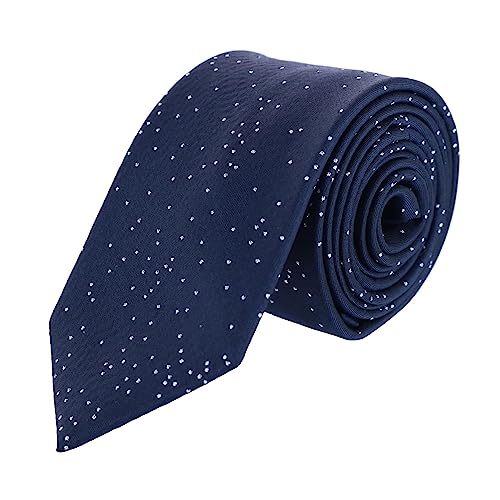
Features a metallic Polk-a-dot design on a solid silk
Frequently Asked Questions
How to Color Coordinate Outfits for Men?
To color coordinate outfits for men, we can blend versatile color combinations and utilize outfit layering. By balancing neutrals with accent colors, we create stylish looks that stand out while remaining cohesive and sophisticated.
What Is the 3-3-3 Rule for Clothes?
The 3-3-3 rule for clothes helps us achieve color harmony by balancing three colors: a neutral base, a complementary tone, and an accent. It simplifies our outfit choices, making coordination effortless and stylish.
What Is the 3 Color Rule for Men?
The three color rule for men’s outfits is our secret weapon! We create style balance using just three color combinations: a neutral, a complementary tone, and an accent. It’s simple, effective, and transforms our look effortlessly!
What Is the 7 Rule for Outfits?
The 7 Rule for outfits means we should limit our pieces to seven, focusing on accessory balance and bold contrasts. This approach helps us create cohesive looks while maximizing versatility and simplifying our wardrobe choices.


