As an Amazon Associate, we earn from qualifying purchases. Some links on this site are affiliate links at no extra cost to you. Our recommendations are based on thorough research and editorial judgment.


Understanding Regional Style: Italian Sprezzatura vs. British Tailoring

Italian sprezzatura and British tailoring showcase two very different styles when it comes to men’s fashion. If you’re looking to nail that effortless vibe, Italian styles are definitely where it’s at. Think lightweight fabrics like linen that feel breezy and comfortable. Colors like vibrant azure and rich burgundy can really make a statement.
On the flip side, British tailoring takes a more structured approach. With heavier worsted wools that weigh in at 12-15 ounces, the look is sharp and classic. You’ll often see timeless patterns like houndstooth, which adds a bit of character to any outfit.
Ever notice how the fit really matters? It does! For those with a slim build, Italian styles are generally more flattering. If you have a more classic shape, British tailoring will likely suit you better.
So, how do you make the right choice? Consider what makes you feel good. The best part is that knowing these distinctions can really help you find your personal style. Each approach has its own charm, and it’s worth trying both to see what resonates with you.
In conclusion, whether you lean towards Italian ease or British structure, you’re bound to find a style that suits you. What’s your go-to fashion philosophy?
Key Takeaways
- Italian sprezzatura emphasizes relaxed elegance with effortless styling, favoring breathable fabrics and vibrant colors, ideal for warm weather.
- British tailoring focuses on structure and precision, utilizing heavier wool for durability and a sharp silhouette, perfect for cooler climates.
- Fabric quality varies, with Italian suits prioritizing lightness and comfort, while British fabrics embody sturdiness and longevity.
- Suit fit differs significantly: Italian suits are more relaxed, while British suits provide a structured and tailored appearance.
- Personal style and occasion influence suit selection; bold choices reflect individuality in Italian styles, whereas British suits convey timeless sophistication.
The Essence of Italian Sprezzatura: Effortless Style Explored
When it comes to Italian sprezzatura, have you ever wondered how to achieve that effortless sophistication in your style? It’s all about comfort and movement, allowing you to look sharp without feeling stiff. Think of it as the gold standard in tailoring that truly elevates your wardrobe. Here are some essentials to keep in mind:
- Opt for luxurious materials like linen and lightweight wool, usually around 200-300 grams.
- Consider vibrant colors—deep navy checks or bold florals can really stand out.
- Embrace a slightly messy vibe; leave that shirt open-collared or your jacket unbuttoned for a more relaxed look.
Italian fashion emphasizes individuality and personal expression, and it’s refreshing to know that comfort doesn’t have to compromise your style. Unique tailoring techniques, such as soft shoulders and unstructured cuts, create a fluid silhouette that moves with you. So, why does this matter? Because adopting the spirit of sprezzatura means you’re embracing a relaxed approach to style that blends function with elegance.
Here’s the trick: focus on mixing and matching pieces that make you feel good. Don’t be afraid to play around—try out different combinations and see what resonates with your personal flair. Honestly, it’s about finding that balance where you can feel confident without trying too hard.
The best part is that achieving this balance is easier than you might think. By keeping it simple and incorporating a few key elements, you can effortlessly transform your wardrobe into something that reflects both your personality and practicality. Incorporating lightweight fabrics like linen not only enhances comfort but echoes the breathability essential to Italian style’s effortless feel.
What Makes British Tailoring Unique?

What’s the deal with British tailoring? If you’ve ever felt a little lost when it comes to picking the right suit, you’re not alone. The truth is, British tailoring offers a structured look that’s all about precision and style. It’s hard to beat the classic vibe of a bespoke suit from Savile Row.
Here are some standout features you should know about:
- Padded shoulders create that sharp silhouette that feels powerful.
- A tailored waist gives you a fitted look without sacrificing comfort.
- Double vents allow for a full range of motion—you can actually move in these suits!
Most British suits are crafted from worsted wool, weighing between 10 to 12 ounces, which is perfect for those cooler days. When it comes to colors, you’ll find that navy, charcoal, and dark greens dominate. These shades not only look polished but also scream classic British style.
Wearing a structured suit can totally elevate your professional presence. It’s not just about looking good; it’s about carrying yourself with authority. Honestly, what could be better for a formal work setting? British tailoring represents a meticulous level of craftsmanship and materials that make you stand out for all the right reasons. For formal occasions, pairing this style with tuxedo pants styles that complement the suit enhances the overall polished appearance.
Italian and British Suit Fabrics: Key Differences

Understanding the differences between Italian and British suit fabrics can really make or break your suit game. Each region has its own vibe that caters to different needs.
Italian fabrics are all about lightness and breathability. They’re made from blends of wool with silk or cashmere, which makes them ideal for those warm months. If you’re sweating in the summer sun, these fabrics will keep you cool and comfortable.
On the other hand, British suits tend to focus on structure and durability. Think heavier worsted wools and tweeds that define a sharp silhouette. These materials hold up well in cooler weather, providing a sophisticated, tailored look.
When you hear about the Super count, it refers to how fine the wool is. Super 130s strike a nice balance between softness and durability, while Super 180s are incredibly soft but may not last as long.
So, what does this mean for you when picking out your next suit?
- Look for Italian fabrics if you want something light and luxurious for a summer wedding or a business event.
- Choose British fabrics for a structured, classic look that’s perfect for the fall or winter.
Renowned mills like Loro Piana and Zegna showcase the elegance of Italian fabrics, while Holland & Sherry and Dormeuil highlight British tailoring. Both of these traditions are committed to providing high-quality fabrics that can elevate your style.
In addition, selecting suits with breathable fabrics can greatly enhance comfort, especially in warmer climates.
In the end, knowing what fabrics suit your lifestyle helps you pick a suit that not only looks good but also feels great. What’s your go-to fabric for a suit?
Recommended Products
LUXURY WOOL FABRIC: Beautiful lightweight wool. Drapes superbly across the body. As good as the wool of luxury department store suits for a fraction of the price.
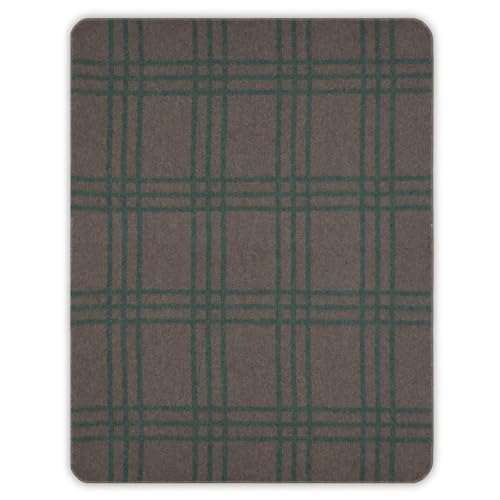
ON THE GO COMFORT: Our alpaca throw blanket is ultra thick to keep you warm during cold nights, and light enough to travel with you anywhere you go. Our soft wool blanket comes in a variety of different sizes to suit your needs whether you're camping under the stars or having a picnic in the park

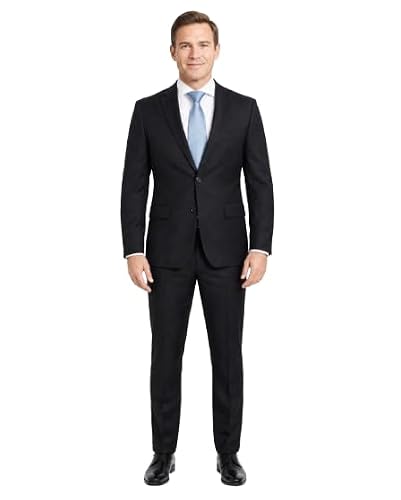
Jacket: Slim fit, two-button front closure, notch lapel, dual side vents, two front flap pockets, fully lined interior
Choosing the Best Suit Style for You
How do you find the perfect suit style that fits both your personal flair and professional needs? When you weigh the differences between British and Italian suits, there are a few key factors to consider.
Let’s talk about fit. British suits are known for their structured silhouette, complete with sharp lines and timeless designs. In contrast, Italian suits have a more relaxed style that’s perfect for networking events or social gatherings. If you’re not sure which vibe you want to project, think about the occasions you’ll wear the suit.
Now, fabric quality is another important piece of the puzzle. English fabrics tend to be heavier, usually around 12-15 ounces, which means they’re built to last. On the other hand, Italian fabrics are lighter, between 7-9 ounces, making them breathable and ideal for warmer days. So, what’s your climate like? That could steer your decision.
Personal preference is crucial too. If you have a slimmer build, Italian suits may give you that tailored look you’re after. On the flip side, British suits typically have a more classic shape, which helps create definition.
It’s also worth noting that a slim fit often enhances the modern aesthetic of a suit, balancing comfort with style.
Ultimately, the best suit for you reflects your lifestyle and the events you attend. Both styles have their distinct benefits, so take some time to think about which one speaks to you. Are you leaning toward a more structured look or something a bit laid-back?
Recommended Products


Customizable Sizing - Mix and match jacket and pant sizes for a tailored fit. Our men's suits slim fit and men's suits options allow you to create the ideal combination for your body type

Premium quality slim fit suit: Our Calvin Klein Men's Slim Fit Performance Wool Suit is designed for a sharp, modern look, perfect for any formal or business occasion.
Practical Tips for Wearing Italian vs. British Styles
When it comes to deciding between Italian and British suit styles, you might wonder how to make the most of these looks in your everyday life. It’s not just about the suit itself, but how you wear it depending on the occasion.
For Italian suits, think about going for lighter fabrics like linen or cotton. These materials breathe easier, making them perfect for warmer weather. You can really have fun with color here—choose bold shades like azure or burgundy. These suits work well in both formal settings and more laid-back spots. Want to nail that relaxed Italian vibe? Try pairing your suit with an open-neck shirt. It’s a simple way to look sharp without trying too hard.
On the flip side, British tailoring leans toward structured layers, making it a solid choice for professional environments. Stick to classic colors like navy or charcoal; these shades convey authority and confidence. The beauty of British suits is their versatility, allowing you to dress them up with a tie or down with a crisp button-up. Just remember, a well-fitted suit is key to pulling off this style.
So, how do you know which one to choose? Consider the occasion and your personal style. Are you feeling bold and adventurous, or do you prefer a timeless, sophisticated look? For formal events, a classic black tuxedo remains the ultimate symbol of elegance and versatility.
Recommended Products

Classic Collar

Ultimate XL Gaming Chair: Anda Seat is a leading manufacturer of gaming chairs for adults & pro gamers. Our gamer chair is designed, built and tested by experts to ensure the best quality. Recommended Maximum Height: 6'8". Maximum Weight Capacity: 395lbs

WEEKEND OR WEDDING STYLE: Wear this men's suit jacket with a linen suit vest or on its own with linen suit pants at a beachfront gathering, wedding, or any warm weather occasion. Perfect for adding an air of relaxed elegance to any outfit.
Frequently Asked Questions
What Are the Historical Origins of Italian Sprezzatura?
Italian sprezzatura springs from Renaissance influence, where courtly fashion thrived under the noble class. Artisanal craftsmanship flourished through cultural exchanges and the textile trade, leading to regional variations and contemporary interpretations shaped by influential figures.
How Do Italian and British Styles Reflect Cultural Values?
Italian and British styles, like two dancers, express cultural uniqueness. They showcase craftsmanship, emotional resonance, and fashion identity, reflecting social status and individuality. Each region evolves, portraying community values and shaping luxury perceptions in their aesthetics.
Can I Mix Elements of Both Styles in One Outfit?
Absolutely, we can mix elements! By experimenting with color combinations, layering techniques, and shoe styles, we create striking contrasts that reflect our personal flair, while also considering seasonal appropriateness and event context for formal or casual settings.
What Occasions Are Best Suited for Italian vs. British Styles?
For formal events and wedding receptions, British styles shine. Italian flair suits casual outings and dinner parties. We’ll rock business meetings in tailored looks, while date nights and fashion shows can embrace both exquisite styles.
How Has Modern Fashion Influenced Traditional Italian and British Styles?
Streetwear’s vibrant evolution molds both Italian and British styles, blending formal wear with casual attire. Celebrity trends and social media amplify this fusion, pushing luxury brands toward sustainable fashion, gender fluidity, and athletic integration, creating global impact.


