As an Amazon Associate, we earn from qualifying purchases. Some links on this site are affiliate links at no extra cost to you. Our recommendations are based on thorough research and editorial judgment.


The Importance of Fabric Weight in Casual Shirts

Ever wonder why some casual shirts just feel better than others? Fabric weight plays a huge role in how comfortable a shirt is, plus how well it drapes and lasts over time.
So, what’s the scoop on fabric weights? Here’s what you need to keep in mind:
- Lightweight fabrics (100-170 GSM) are perfect for the hot summer months. These materials let your skin breathe, keeping you cool when the temperatures soar.
- Midweight fabrics (170-340 GSM) are your best bet for year-round wear. They’re versatile, making them great for layering with other pieces.
- Heavier fabrics (340 GSM and beyond) do a fantastic job of providing warmth, but take note—they might limit your movement a little.
Quality matters too. Fabrics like organic cotton not only feel great but also support sustainability, which is a big win.
Frankly, a well-chosen fabric weight isn’t just about comfort; it’s also key to making sure your shirt stands the test of time while looking good.
Why go through all this trouble? It all comes down to ensuring a responsible wardrobe that works for you in every season.
Now that we’ve covered the basics, think about what kind of casual shirts you’re looking for. Is it comfort you crave, or versatility? Keep these tips in mind when you’re shopping next!
Key Takeaways
- Fabric weight affects the shirt’s drape, fit, and overall quality, influencing comfort and style during wear.
- Lightweight fabrics are ideal for warm weather, while midweight options offer versatility for spring and fall layering.
- Heavier fabrics provide warmth and structure in colder months but may restrict movement and comfort.
- Understanding fabric weight aids in selecting the appropriate washing and drying methods to extend garment lifespan.
- Opting for sustainable and versatile fabrics supports ethical manufacturing practices and promotes slow fashion principles.
What Is Fabric Weight and Why Is It Important for Casual Shirts?
Ever wonder why some casual shirts feel way more comfortable than others? It all comes down to fabric weight. Measured in grams per square meter (GSM), fabric weight plays a huge role in how a shirt performs in different situations. Let’s break it down:
- Lightweight fabrics (100-170 GSM) are perfect for those hot days. They’re breathable and make you feel like you’re wearing nothing at all—ideal for summer outings or just lounging around.
- Mediumweight fabrics (170-340 GSM) strike a nice balance. They’re comfortable enough for year-round wear while still being durable, making them a safe pick for just about any occasion.
- Heavier fabrics (340 GSM and up) bring structure and warmth. These are the shirts you’ll want in your closet for those colder months when you need extra insulation.
Choosing the right fabric isn’t just a casual decision. It affects how a shirt drapes on your body and how well it fits, not to mention overall quality. So, why does this matter? By paying attention to fabric weight, you can ensure your casual shirts align with your style and activities.
Additionally, many top-quality button-down shirts incorporate wrinkle-free technology to enhance durability and maintain a polished look throughout wear.
Now, the next time you’re shopping or browsing online, keep an eye on the GSM. It’s a simple way to make better choices about what to wear. After all, who doesn’t want to feel great in what they’re sporting? Take a moment to consider, what’s your go-to shirt weight for your daily wardrobe?
Recommended Products

Comfortable Fabric:The cool, breathable and high strentchy casual shirt is just as easy and comfortable as a tee, but looks a notch more put together.

120 PACK OF ASSORTED COLOR T-SHIRTS - SIZE LARGE: Get comfortable with men’s premium cotton crew neck t-shirts in assorted colors. Made of soft cotton for a smooth, breathable fit. Pre-shrunk cotton tee’s are perfect for layering or wearing alone. You may receive a duplicate of some colors as it is a random mixed assortment.

Fabric: Lightweight, non-stretch linen weave
How Different Fabric Weights Affect Shirt Comfort and Style

Finding the right shirt can be a bit tricky, especially when you consider how fabric weight plays into comfort and style. Ever wondered why some shirts feel perfect on a hot day while others just cling to you? Lighter fabrics, typically weighing between 100-170 GSM, are your best bet for those sweltering summer days. Think airy linen or soft cotton blends that let your skin breathe.
On the flip side, there’s something about heavier fabrics—those weighing 340 GSM and above—that deliver durability and warmth. But here’s the catch: they can also make it tougher to move around comfortably. This is where midweight fabrics, landing between 170-340 GSM, come into play. They strike that delicate balance between structure and comfort, fitting in well for just about any occasion.
So, when you’re picking a shirt, keep these points in mind:
- Lighter fabrics offer a flowy silhouette that feels great on active days.
- Heavier fabrics give you that polished, tailored look that’s perfect for more formal settings.
Ever felt restricted in a heavy shirt during a casual outing? Yeah, it can be frustrating! Truth is, if you choose wisely, you can have shirts that not only look good but also let you enjoy your day.
In fact, choosing an optimal fabric weight between 5-7 ounces often ensures both comfort and durability across a variety of occasions.
In the end, whether you lean towards light and breezy or rich and structured, it’s all about what feels right for you. What fabrics make you feel your best when you step out?
Recommended Products

Crafted from a soft cotton-blend piqué with a contrasting interior, our signature shirt jacket can be worn as a light layer over T-shirts and sweatshirts or on its own as a heavyweight shirt.

Tie at back of neck

Fabric: Lightweight, non-stretch denim
How to Choose Fabric Weight for Different Seasons?

When it’s time to pick out the perfect casual shirt for the season, the fabric weight can make a huge difference. You want to stay comfortable, right? Let’s break it down.
For those hot summer days, lightweight shirts in the range of 120-150 GSM are your best bet. They’re breathable, which helps keep you cool when the temperatures climb. It’s all about feeling comfortable and not overheating.
Now, when spring and fall roll around, midweight shirts weighing between 170-340 GSM really shine. These are super versatile for layering under jackets, giving you that extra bit of warmth without feeling bulky. Plus, they transition nicely as the weather changes, which can be tricky sometimes.
When winter hits, you’ll want to reach for heavier casual shirts that clock in at over 340 GSM. These are built to keep you warm and cozy, and they have that sturdy feel that can stand up to colder weather. Just imagine how nice it’ll be to stay snug when the winds pick up.
So, what’s the takeaway? The weight of the fabric really does impact how well your clothes perform in different temperatures. If you choose a heavier shirt for warmer activities, you might find it restricts your movement. Look for fabrics like 100% cotton or blends with polyester. These not only enhance comfort, but they can also add stretch and help with moisture-wicking—perfect for whatever the season throws your way.
Additionally, many high-quality casual shirts feature linen fabric, known for its breathability and lightweight durability, making it an excellent choice for warm weather.
In short, choosing the right fabric weight is all about enjoying the season in style and comfort. What fabrics have worked best for you in different weather?
Recommended Products

Fabric: Lightweight, stretch shirting


How Fabric Weights Affect Durability
Choosing the right casual shirt isn’t just about how comfy it is. You’ve probably experienced that moment when a favorite shirt falls apart after just a few washes. So, let’s talk about durability and how fabric weight can make a difference.
Heavyweight fabrics, which are over 270 GSM, are where it’s at if you’re looking for shirts that can stand the test of time. These materials are tough. They resist wear and tear much better than lighter options, making them perfect for those who want a reliable, long-lasting shirt.
On the flip side, medium-weight fabrics, sitting between 150 and 270 GSM, strike a nice balance. They’re comfy enough for everyday wear while still offering decent durability. If you’re someone who likes to mix comfort with a bit of longevity, these might be your go-to.
But let’s not forget lightweight shirts that fall below 150 GSM. While you might love how airy and easy these feel, they can also be a bit fragile. They’re great for casual days, but they might snag or wear out more quickly if you’re planning on doing anything a little more active. So, why does this matter? If you’re investing in your wardrobe, you want pieces that will stick around for the long haul.
Choosing fabrics like cotton or linen, known for their breathability and comfort, can further enhance your casual shirt experience.
Truth is, picking the right fabric weight can make or break your shirt game. Think about how often you’ll wear the shirt and what you’ll be doing while you’re in it.
At the end of the day, it’s about finding that perfect balance of comfort and durability. What kind of fabric weights do you usually reach for when you’re shopping?
Recommended Products

S :Bust-40".Length-28.3".M:Bust-43".length-29"L:Bust-46".Length-30".<br>XL: Bust-49".Length-30.7".XXL:Bust-52".Length-31.5".3XL:Bust-56".Length-32.3"<br>The finished clothes have been washed and dried. The size no longer changes.

Size unit/inch. S - Chest:40.5 ". Length: 28". Sleeve length: 9.3"。M - Chest:43 ". Length: 29. Sleeve length: 9.5。L - Chest:46 ". Length: 30". Sleeve length: 9.8"。XL - Chest:49 ". Length: 31". Sleeve length: 10.1"。XXL - Chest:52 ". Length: 32". Sleeve length: 10.4"。3XL - Chest:56 ". Length: 33". Sleeve length: 10.7"。

THE PERFECT LUXURY TEE: Our Heavyweight Crewneck Canvas T-shirts are crafted using high quality grade cotton. Designed to keep you feeling comfortable all day, everyday, for any and all occasions.
Caring for Casual Shirts: Fabric Weight Tips
To keep your casual shirts looking fresh and lasting longer, it’s all about how you care for them based on their fabric weight.
Lightweight shirts (100-170 GSM) are super soft but tend to get wrinkly. When washing these, try to be gentle and skip the high heat when you’re drying them; air-drying works best here.
On the other hand, midweight shirts (170-340 GSM) are tougher and can handle regular machine washes. They’re perfect for day-to-day wear and don’t require as much fuss. So, if you’re looking for something reliable, these are a solid choice.
Now, when it comes to heavyweight shirts (340 GSM and above), they’re built for more intense care. While they’re durable enough for harsher washing, stick to air-drying. This helps prevent any unwanted shrinkage that’ll ruin your fit.
Always check the care labels, though, because different blends can be tricky. For shirts over 300 GSM, make sure you know the right way to iron them to keep them looking sharp. So, why does all this care matter? It’s simple—following these tips will help you keep your casual shirts in excellent shape for longer.
Remember, choosing fabrics within the range of 130-190 GSM offers a great balance of warmth and breathability, making care easier and more effective.
In short, a bit of attention goes a long way with your shirts. What’s your go-to tip for caring for your wardrobe?
Recommended Products

QUALITY EXPEDITION BASELAYER: 100% Merino Wool is super soft and extremely comfortable. This merino wool crew neck thermal has the versatility and warmth to make this an essential part of your outdoor gear. ENVIRONMENTALLY FRIENDLY: The best in easy care technology means your merino wool is machine washable and dryable. Our 100% Merino Wool is a renewable fabric. Its moisture wicking properties means you won t have to wash it as often so you ll use even less water.

QUALITY EXPEDITION BASELAYER: 100% Merino Wool is super soft and extremely comfortable. This merino wool crew neck thermal has the versatility and warmth to make this an essential part of your outdoor gear. ENVIRONMENTALLY FRIENDLY: The best in easy care technology means your merino wool is machine washable and dryable. Our 100% Merino Wool is a renewable fabric. Its moisture-wicking properties mean you won't have to wash it as often so you'll use even less water.
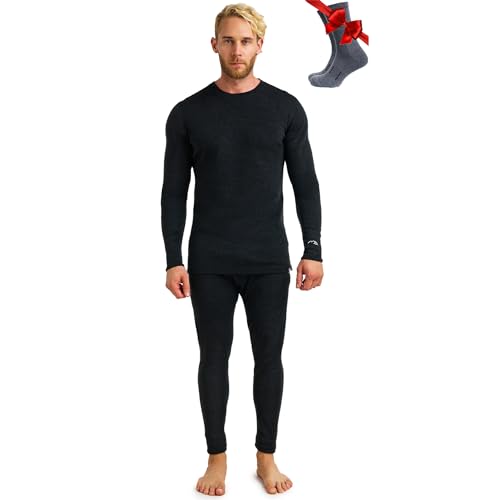
Heavyweight: Mens Merino Base Layer Available in: Lightweight = 165 g/m², Midweight = 250 g/m², Heavyweight = 320 g/m². Free Merino Wool Hiking Socks ($21 Value) – Package includes Heavyweight Merino wool base layer mens top and wool men long johns 320 g/m² + Merino Wool Hiking Socks. Cool Packaging. Makes A Great Gift.
Fabric Weight and Sustainable Fashion Choices
When it comes to casual shirts, caring for them goes beyond just keeping them looking good. You might not realize it, but your choice in fabric weight can really make a difference in how your wardrobe impacts the environment. Lightweight options like organic cotton (about 3.5 oz/yd²) or Tencel (approximately 4.5 oz/yd²) are not only comfy but also gentle on the planet. They help cut down on water use and waste, which is something we should all consider.
Heavier fabrics can be tempting because they often feel more durable, but they can come with a bigger carbon footprint. So, what’s the right choice? You want materials that are sturdy enough to last through multiple seasons without needing constant replacement. Think about versatility here; lighter fabrics can transition from summer to fall with ease.
Look for eco-friendly certifications that signal ethical manufacturing practices. This is not just about wearing something stylish; it’s a small step we can all take toward being more responsible consumers. When picking casual shirts, durability is key. The goal is to embrace a slow fashion mindset where you’re investing in pieces that will serve you well for years to come.
Truth is, choosing sustainable options doesn’t have to feel like a chore. It’s about making smarter decisions about your wardrobe that benefit both you and the Earth. So, the next time you’re shopping, ask yourself: “Will this piece stand the test of time, and am I making a solid choice for the environment?” That’s the real win here!
Additionally, choosing garments with medium weight fabrics around 8–12 ounces can provide the perfect balance between durability and comfort, making them practical for year-round wear.
Frequently Asked Questions
What Is a Good Fabric Weight for a Shirt?
We believe a fabric weight between 150-200 GSM strikes the perfect balance for shirts, ensuring breathability and durability. It’s ideal for summer comfort and winter layering, while accommodating our fit preference and washing care needs.
Which Is Better, 120 GSM or 200 GSM?
When considering fabric weight, we find 200 GSM excels in durability and versatility for cooler climates, while 120 GSM offers breathability and color retention for summer. Let’s weigh our preferences against costs and styling needs before choosing!
Is 100% Cotton or 50/50 Better?
We believe 100% cotton offers superior breathability and wear comfort, while the 50/50 blend provides enhanced durability and shrinkage resistance. Ultimately, it comes down to our needs for style versatility and ease of care.
Is 4 Oz Shirt Better Than 6 Oz?
We believe a 4 oz shirt shines in breathability and comfort for summer, while the 6 oz version excels in durability and versatility. Ultimately, it depends on our weight preferences and style needs for various seasons.


