As an Amazon Associate, we earn from qualifying purchases. Some links on this site are affiliate links at no extra cost to you. Our recommendations are based on thorough research and editorial judgment.


Alterations 101: What a Tailor Can and Cannot Fix

Tailors can be lifesavers when it comes to fit issues, but sometimes you might wonder: what’s possible and what’s not? If you’ve got clothes that need tweaking, a good tailor can adjust seams to either take in or let out about four inches. They can also shorten or lengthen sleeves and pants, and even change neckline styles.
But, before you dash off with all your sweaters and suits, it’s important to know their limitations. For instance, enlarging clothing beyond four inches can throw off the garment’s shape. And when it comes to jackets, altering shoulder seams can be a tricky business.
So, why does this matter? Because understanding what a tailor can realistically do helps you set expectations that align with what you’re hoping for.
Here’s the trick: pay attention to the fabric weight and garment construction, too. Some materials respond well to alterations while others just don’t play nice. You want to make sure that the end result looks seamless and flattering.
If you’re embarking on a tailoring journey, just think about these common alterations that can make a real difference:
- Seams can be adjusted for a snug fit.
- Sleeve lengths can be a quick fix if you’ve got those too long for comfort.
- Pants can be hemmed or even tapered if you want a more fitted look.
Truth is, knowing what you want and what to expect can save you time and money. So next time you’re holding up something ill-fitting in front of the mirror, remember that your tailor can help—but only up to a point.
Take a moment to consider your wardrobe. What pieces could truly benefit from a little love? And remember, a good fit can transform not just the garment but your confidence in rocking it.
Key Takeaways
- Tailors can adjust seams, taking in or letting out garments by up to four inches for tops and two inches for trousers.
- Sleeve and pant lengths can be altered, provided there is enough fabric available for the changes.
- While jackets can be shortened, lengthening them is challenging due to potential fabric limitations.
- Tailors can fix functional issues like zippers and buttons but cannot alter the structure of the garment significantly.
- Significant style changes that require a new silhouette may necessitate purchasing new clothing items instead of alterations.
What Tailors Can Do: Essential Alteration Capabilities
Ever bought a piece of clothing that just doesn’t fit quite right? It can be frustrating, right? That’s where a good tailor comes in. Knowing what they can do helps you get your wardrobe looking and feeling just the way you want it.
Let’s talk about some of the handy alteration capabilities a skilled tailor can offer:
- Adjusting seams: They can take in or let out clothing by up to four inches for tops and two inches for trousers. This means that if your shirt is feeling a bit too snug, a tailor can fix that pretty easily.
- Shortening or lengthening sleeves and pant legs: If you’ve got a favorite jacket or pair of pants that just need a little tweak, tailors can do this efficiently, as long as there’s enough fabric to work with.
- Modifying necklines: Want to change the neckline for a little more style or modesty? A tailor can add fabric or alter the design to suit your needs.
- Enhancing fit: They can adjust the waist or torso area, giving you that polished silhouette that makes you feel confident.
So, why does this matter? Well, some adjustments—like changing shoulder widths or doing a complete redesign of a garment—can get a bit tricky and sometimes pricey. That’s why it’s so important to trust someone skilled for your alterations.
In terms of getting that perfect fit, finding a good tailor can really make a difference in how your clothes look and feel. You might be surprised at what a few small adjustments can do for your favorite outfits. Have you considered what your wardrobe could look like after a visit to the tailor?
Additionally, choosing clothes made from a durable material like 100% cashmere can make alterations more worthwhile since such fabrics maintain their shape and softness even after adjustments.
Recommended Products

All-in-One Sewing Kit for Beginners: The Bernette B35 comes complete with essential tools to start sewing right away – including scissors, cutting mat, bobbins, seam ripper, screwdriver, foot pedal, and more.

🎁【1:1 OEM Custom Fit & Gift-Ready】These oem seat covers dodge ram adopt 1:1 vehicle scanning molding, exclusively tailored for 2012-2026 Dodge Ram 1500/2500/3500 Quad Cab & Crew Cab with Bucket Seat. NOT FIT Regular Cab, Mega Cab & Bench Seat. Verified via 1000+ real truck tests, matched with original headrest covers in identical material and color, no extra purchase required. Ideal interior upgrades and holiday gifts for ram truck lovers, balancing aesthetics and practicality.

Fully adjustable dress form for use in sewing projects or as a display piece.
What Are the Limitations of Tailoring?

Have you ever picked up a piece of clothing, excited to wear it, only to find it doesn’t fit quite right? While tailoring can do wonders for your wardrobe, there are some key limitations you should know about.
First off, when it comes to enlarging clothing, there’s a hard limit—tailors usually can’t increase a garment’s size by more than four inches. Anything more can mess with the shape and fit. If you’re considering a tailor for a jacket, remember that altering the shoulders can be tricky and might involve a lot of extra work. It’s best to start with something that fits well to begin with.
Did you know that you can only shorten a jacket, but lengthening it is a real challenge? This is mainly because there’s often not enough fabric to work with. Also, if you’re thinking about dyeing something, keep in mind that fabrics like polyester can be really hard to color effectively. So before you dive into alterations, consider the fabric.
Let’s talk about style changes. Often, if you want a significant update, it might just make more sense to buy a new item rather than pump a lot of money into extensive alterations.
When you’re reviewing your clothes, take a good look at the amount of fabric available and how the length feels on you. This will help you make sure those clothes fit your body just right.
Keep in mind that choosing garments designed with adjustable features can reduce the need for extensive tailoring later on.
Recommended Products

WATERPROOF WINTER JACKET: Bringing you the warmest and waterproof winter protection, this insulated parka keeps the heat lock inside and snow out. With its insulated hood, your head and ears wouldn’t feel the winter chill.
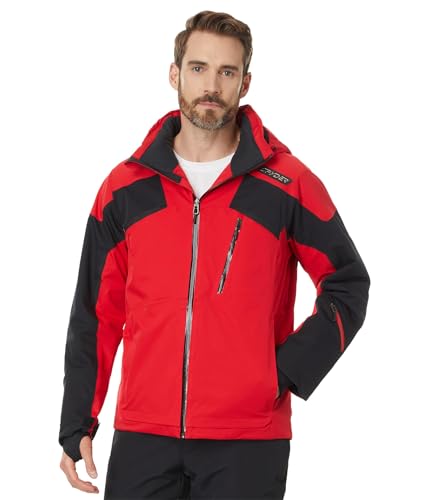
EXO SHIELD 30K – 4-way Stretch Recycled Polyester Plain Weave with 30K/20K Laminate and PFC-Free DWR, PrimaLoft Silver ECO Insulation (100g)

Fair Trade Certified: We proudly produce one of the best winter jackets for men in a Fair Trade Certified facility. Building worker well-being into our product DNA.
Common Suit Alterations You Should Consider

Have you ever put on a suit and felt like something just wasn’t quite right? It’s frustrating when you’re trying to look sharp, but the fit isn’t what it should be. That’s where suit alterations come in. A few key adjustments can make a huge difference in how you feel and look.
For jacket fitting, finding the right fit is crucial. A good tailor can take in or let out a single-breasted jacket by adjusting the seams, which can make you look more polished.
When it comes to sleeve length, don’t forget that a tailor can shorten or lengthen sleeves too. They’ll consider buttonhole placements to make sure it still looks sharp. Speaking of look, jacket length matters as well. Getting this right keeps your pockets and buttons in their proper places, ensuring everything sits comfortably.
Let’s not overlook pants fit. You can usually alter the waist of your pants by 2-3 inches at the center rear seam. This is often enough to get a more tailored appearance without a complete overhaul. For the best overall appearance and comfort, it’s important to select pants made from durable, wrinkle-resistant material that hold their shape well after alterations.
Remember to keep it simple—some alterations are straightforward, while others can get complicated and may disrupt the suit’s overall structure. For example, narrowing the shoulders might seem like a quick fix, but it can mess with the flow of the jacket.
Ready to feel more confident in your suit? Taking a little time to make these alterations can really pay off. What small adjustments could you consider making to elevate your style?
Key Factors to Ensure Successful Alterations
Ever had a piece of clothing that just didn’t fit quite right? You’re not alone! Getting alterations done can feel overwhelming, but a few simple steps can really make the difference. That’s why it’s so important to communicate clearly with your tailor.
When you’re heading to a fitting, think about what matters most to you—do you want comfort, are you looking to follow the latest trends, or do you prefer a classic look? And don’t forget to wear the shoes and undergarments you’ll actually use with the outfit. This little detail can help your tailor make precise adjustments.
Here are some tips to keep in mind:
- Ensure your tailor has enough fabric to work with. If you’re looking to change the length of your jeans, they might need to check a couple of sizes.
- Look at the tailor’s previous work. It gives you a sense of their style and how well they handle pieces that are similar to yours.
- Understand that some adjustments are trickier than others. For instance, shortening a sleeve is pretty straightforward, but fixing the shoulders can be a real puzzle.
Building a rapport with your tailor can do wonders for how your clothes fit in the future. After all, having someone who understands your style can make each trip smoother. Considering the fabric quality of your garment is crucial, as alterations on high-quality fabrics like wool or cotton can better maintain the integrity of the piece.
Recommended Products

COMPATIBLE WITH FORD F-150 (2011-2026): Works with 12th, 13th, and 14th Gen models including XL, XLT, Lariat, King Ranch, Platinum, and Limited trims. This throttle response controller optimizes acceleration for 2.7L/3.5L EcoBoost, 3.3L V6, 5.0L V8, and 3.0L Diesel engines, delivering instant throttle response for all F-150 configurations

VEHICLE COMPATIBILITY: 1997-2004 Chevy Corvette C5 with 17" wheels or larger. Designed for precise fitment and easy installation. Enhances appearance while protecting brake components.

DEPENDABLE STRENGTH — This trailer hitch is rated for 4,000 lbs. gross trailer weight and 400 lbs. tongue weight (limited to lowest-rated towing component)
Tips for Collaborating Effectively With Your Tailor
Ever walked out of a fitting session feeling like you’ve just wasted your time and money? It can be super frustrating to pour energy and resources into alterations only for them not to hit the mark. To get the most out of your tailor, it helps to collaborate effectively right from the start.
First off, bring along some proper shoes and undergarments that you’d actually wear with the outfit. Believe me, these little details really affect how the clothes fit and look on you. Don’t shy away from asking your tailor about what’s realistically achievable with the fabric and design—setting the right expectations can save you a lot of heartache down the line.
Communication is key! Keep the conversation flowing during your fittings. If something doesn’t feel right or if you have some ideas, don’t hesitate to speak up. Your tailor is there to help, but they can’t read your mind, so make sure you share your vision.
When you put the time and effort into quality alterations, you’re not just improving the way you look; you’re boosting your confidence, too. It feels great to wear clothes that fit well and reflect your personal style. Remember, this is a partnership—your tailor wants to create the best version of your garments just as much as you do.
Also, understanding the fabric weight and its impact on garment drape and comfort can help you set realistic alteration goals.
Frequently Asked Questions
What Can and Can’t a Tailor Do?
We can make fit adjustments, hem length changes, and collar adjustments using various tailoring techniques. However, significant style changes or size modifications often aren’t feasible, especially due to fabric considerations and garment maintenance limits.
What Is Considered a Basic Alteration?
Think of basic alterations as fine-tuning an instrument. We often tackle common requests like taking in sides, letting out seams, adjusting waistband fit, and modifying hem lengths or sleeve lengths for overall garment perfection.
What Can and Can’t You Tailor on a Suit?
We can tailor suit fit through waist adjustments, sleeve lengths, and lapel styles, but we can’t change shoulder widths, jacket shapes, or pant lengths greatly. Custom details are achievable, but fabric choice limits drastic transformations.
What Alterations Can a Tailor Make to Pants?
We can adjust length, fix buttonholes, replace zippers, and make waist alterations. We can also shorten the inseam, taper legs, and even add pockets, customizing fit to guarantee your pants feel just right.


