As an Amazon Associate, we earn from qualifying purchases. Some links on this site are affiliate links at no extra cost to you. Our recommendations are based on thorough research and editorial judgment.


Cashmere Care: Washing and De-Pilling Techniques

Caring for cashmere can seem a bit daunting, but it’s totally manageable with the right approach. You want your cozy pieces to stay soft and beautiful, right? The key is in how you wash and handle them.
First off, always hand wash your cashmere in cold or lukewarm water—nothing hotter than 30°C. Grab a gentle cashmere detergent, and make sure you have a clean sink ready. Trust me, it’s way better than tossing it in the machine!
Avoid over-washing your items; try to aim for no more than two washes throughout the season. It’s all about keeping the fibers happy!
To tackle pilling, which is always a concern, try using a cashmere comb or a fabric shaver; they’re super handy. Just a little regular maintenance goes a long way in keeping your cashmere looking fresh and new.
Want to keep your cashmere in shape? Make sure to reshape it with a towel once it’s washed. This helps it maintain its form.
So, how do you store these lovely pieces? There are some best practices to follow, and we’ll dive into those next.
Just remember, your cashmere deserves a bit of extra love. How do you currently care for your special garments?
Key Takeaways
- Hand wash cashmere in cold or lukewarm water using a detergent specifically designed for cashmere, avoiding soaking.
- Gently swirl the garment in water for up to 30 minutes for effective cleaning without damaging fibers.
- To remove pilling, use a cashmere comb or fabric shaver in a single direction to lift pills carefully.
- Avoid machine washing unless using the delicate cycle with low water temperature, turning garments inside out, and placing them in a mesh bag.
- Store cashmere folded in breathable bags, ensuring they are clean and dry, while using natural moth repellents for protection.
What Is Cashmere Pilling and Why Does It Happen?
How does cashmere pilling happen, and why should you care about it? Cashmere pilling occurs when little fuzz balls form because of loose fibers tangling together, mostly in areas that get a lot of friction, like underarms and cuffs. The main culprits behind pilling are everyday wear and tear and washing methods that can be too harsh, such as using a washing machine or strong detergents. As you wear your cashmere, shorter fibers tend to break, leaving behind sturdier fibers that are less likely to pill.
So, what can you do to manage pilling? Regular maintenance is key. Here are a few straightforward tips to help keep your cashmere looking its best:
- Use a cashmere comb to gently remove those pesky pills.
- Wash your cashmere by hand or on a delicate cycle to limit friction and help maintain the fibers.
Honestly, you’ll find that investing in high-quality Mongolian cashmere does help reduce pilling, but even the best cashmere needs a little care. Choosing garments made from high-quality natural fibers can also improve the fabric’s longevity and appearance.
Truth is, keeping your cashmere looking great is all about being mindful. A little bit of effort goes a long way in preserving its beauty and longevity. What’s your go-to tip for keeping your favorite garments in tip-top shape?
Recommended Products

Premium Material - Made with 100% pure cashmere from Inner Mongolia. Luxury designed cashmere sweater that never goes out of fashion—elegant, versatile, and perpetually sophisticated.

[LIGHTWEIGHT & LUXURIOUS]: This plush cashmere throw is perfect as a bed cover, travel blanket, sofa accent, or oversized shawl. Wrap yourself in supreme coziness where softness meets lightweight warmth. Chill at home in style and stay toasty warm throughout the day.

Premium Material: Crafted from 100% pure cashmere, this sweater is knit on a fine 12-gauge machine with twisted yarn, ensuring exceptional softness and lasting durability.
How to Properly Wash Cashmere to Minimize Pilling

How to Properly Wash Cashmere to Minimize Pilling
Do you love your cashmere but dread the thought of it pilling? You’re not alone! Keeping that luxe feel and look can be tricky, but with the right washing techniques, you can maintain its beauty. Let’s talk about how to wash cashmere properly so you can keep it soft and pill-free.
Start by hand washing your cashmere in cold or lukewarm water. You want to use a detergent specifically made for cashmere—trust me, it makes a difference! Avoid soaking the garment; instead, gently swirl it around in the water for up to 30 minutes. When it’s time to rinse, do it in clean, cool water that matches the temperature you used for washing. This little trick is essential to prevent shrinkage and distortion.
When it comes to drying your cashmere, there are a couple of important steps to follow:
- Always lay your cashmere flat on a towel instead of hanging it up.
- Gently roll the towel to remove excess water—don’t wring or twist!
So, what’s the best frequency for washing? Honestly, you should aim to wash your cashmere no more than twice a season. This helps maintain its quality and softness, significantly reducing those pesky pills that form over time. Using a cashmere comb regularly can also help keep your garment looking fresh by removing any developing pills before they become noticeable.
Recommended Products

HIGH QUALITY FASHION: Our throw is made with 100% pure cashmere wool. Our cashmere is made from grade A, de-haired, 2 ply yarn. It is 445gsm. Our designer's desire to discover the most luxurious fabrics available makes this throw ideal for winter weather. Pilling is a surface defect on fabrics that is caused by normal wear. Unlike other cashmere products on the market, this Fisher’s Finery throw is pill-resistant, making it great for everyday use even in the harshest of weather conditions.

Prepare to drift off into your coziest night’s sleep yet with the . The plush, padded borders create a gentle, nest-like enclosure around you, reducing...

Original product, made by Le Blanc created for the care of fine delicates made of silk, wool, cashmere, bamboo, & more
What Tools Do You Need for Hand Washing Cashmere?

When it comes to washing cashmere, do you ever worry about ruining those precious pieces? You’re not alone! The reality is, hand washing cashmere is one of the best ways to preserve its softness and shape, but you need to have the right tools on hand. Let’s dive into what you’ll need.
First off, you’ll want a clean sink or tub. Make sure it’s free of any leftover soap or grime; trust me, you don’t want that ending up on your beloved sweater. Next, grab some cold water, ideally around 30 degrees Celsius. This is key for keeping your cashmere safe.
Now, before you even think about washing, make sure you have a mild detergent that’s gentle on delicate fabrics. Baby shampoo works wonders here. You’ll also need a clean towel for reshaping your cashmere after washing, as well as a cashmere comb to tackle any pesky pilling later on.
Want to keep track of how your cashmere looks while washing? A tape measure can help you check its original dimensions so you can avoid any unwanted distortion. If you’re considering a machine wash instead (though I recommend hand washing), a mesh washing bag will give your cashmere an extra layer of protection.
Gathering these essentials is crucial for ensuring your cashmere stays luxurious and long-lasting. Keep these tips in mind the next time you need to freshen up your favorite cashmere items. How do you care for your delicate fabrics? Using gentle cycle settings on your machine can further protect delicate fibers if you must machine wash.
Recommended Products
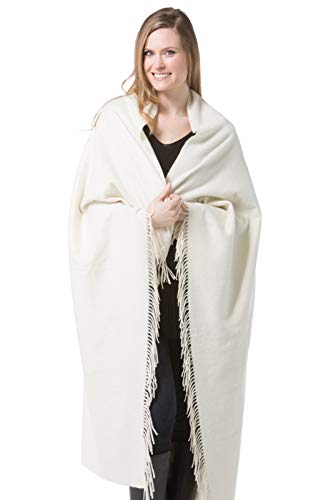
HIGH QUALITY FASHION: Our throw is made with 100% pure cashmere wool. Our cashmere is made from grade A, de-haired, 2 ply yarn. It is 445gsm. Our designer's desire to discover the most luxurious fabrics available makes this throw ideal for winter weather. Pilling is a surface defect on fabrics that is caused by normal wear. Unlike other cashmere products on the market, this Fisher’s Finery throw is pill-resistant, making it great for everyday use even in the harshest of weather conditions.

Luxurious Material: Our men's fine gauge cashmere quarter zip sweater is made from 100% pure cashmere from Mongolia. Incredibly soft and silky smooth against your skin it defines casual cool.

𝐋𝐔𝐗𝐔𝐑𝐈𝐎𝐔𝐒 𝐌𝐀𝐓𝐄𝐑𝐈𝐀𝐋: Crafted from 100% pure cashmere, our men's hooded sweater provides an unparalleled level of softness and warmth. Experience the ultimate comfort only genuine cashmere can offer, ensuring you stay cosy and stylish all season long.
Your Step-By-Step Guide to Hand Washing Cashmere
Washing cashmere can feel like a daunting task, right? You want to keep that luxurious feel and beautiful shape, but how do you do it without damaging your favorite pieces? Let’s break it down step by step.
Start by filling up your sink or tub with either cold or lukewarm water, making sure it doesn’t exceed 30°C. Don’t forget to add some cashmere shampoo to the water; this stuff is key to keeping your garments in great condition. Once you’ve got your setup, quickly submerge your cashmere and give it a gentle swirl. No soaking here! Let it sit for about 30 minutes to truly soak in the goodness.
When it’s time to rinse, do so with cool water and make sure the temperature matches what you used for washing. This helps avoid any shock to the fibers, which is super important for keeping your cashmere looking its best.
Now, here’s the trick for drying: don’t wring or twist the fabric! Instead, press the wet cashmere gently into a ball to remove excess water. Lay it flat on a clean towel and reshape it to its original size. Air drying is next, and you’ll want to do this in a well-ventilated area, steering clear of direct sunlight to prevent fading and distortion.
Once your cashmere is completely dry, store it in cotton for protection. Honestly, it’s all about treating those delicate fibers with care. Proper care, such as regularly brushing to remove pilling, helps extend the life of your cashmere garments. So, what’s your favorite cashmere piece that you’d love to keep looking fabulous?
Should You Machine Wash Cashmere?
How do you know if machine washing cashmere is a good idea? It can be done, but you’ve got to be super careful about it. Here are some things to keep in mind:
- Use a delicate or wool cycle.
- Make sure the water’s set to 30°C or lower to avoid shrinking.
- Turn your garments inside out and toss them in a mesh washing bag. This helps to lessen any friction.
- Just a couple of teaspoons of wool detergent should do—completely skip the fabric softener.
- Use a short spin cycle, max 400-500 rpm, or even better, just skip spinning entirely to protect those fibers.
- Once you’re done washing, lay your cashmere flat to air dry and keep its shape.
So, why does this matter? Regularly machine washing could wear down the quality of your cashmere over time. If you really want to keep your pieces looking their best for the long haul, hand washing is the way to go.
Honestly, it all comes down to how you want to treat your cashmere. Are you ready for the extra care? Keep in mind that cotton sweaters typically recommend air drying flat to maintain shape and fabric integrity, which is also a good practice for cashmere.
Recommended Products

Cloud-Like Softness & Warmth – Crafted from thick, brushed organic cotton, these luxurious flannel sheets feel like cashmere for your bed, delivering velvety warmth and cozy comfort for a restful night's sleep.


SOFTEST CASHMERE: Our shawl is made from 100% pure, grade A cashmere. Our cashmere is pill resistant, durable and made from 2 ply yarn.
How to De-Pill Cashmere for a Smooth Finish
Have you ever noticed those pesky little pills forming on your favorite cashmere? It can be such a bummer, especially when you want to keep that luxurious look going strong. Here are some practical ways to de-pill your cashmere garments and keep them looking top-notch without causing damage.
Try this:
- Cashmere comb: Gently brush the fabric in one direction. This technique helps lift the pills without harming the delicate fibers. You’ll be surprised at how much difference it makes!
- Fabric shaver: If you’re short on time, grab a fabric shaver. Just hold it lightly against the surface, and it quickly removes pilling. It’s super efficient, so you don’t have to spend forever on it.
- Sticky tape: In a pinch? Press some sticky tape onto the pills, and peel it off to lift them away. It’s a simple trick that works surprisingly well in emergencies.
So, when should you tackle these pills? After several wears is a good rule of thumb. By de-pilling regularly, you can avoid using those harsher methods that might damage your knitwear. Plus, if you take a few minutes to comb your cashmere now and then, you can prevent future pills from forming altogether.
Truth is, keeping your cashmere looking its best doesn’t have to be a hassle. You can maintain that beautiful appearance of your favorite pieces with just a little effort. Considering the importance of care instructions can greatly extend the lifespan of your garments. What’s your go-to method for caring for your cashmere?
Recommended Products

3 button, slash pockets

Measures 50” x 73”, including 4" finely tailored fringes, weighs 470grams/ 1lb.

SOFT & STYLISH: Wrap yourself in the signature elegance and unsurpassed comfort of a cashmere scarf, featuring 12 gauge knit with tightly twisted 2-ply yarns. Our ribbed knit and solid colors allow you to express your style in a variety of ways!
Best Storage Practices for Cashmere to Prevent Pilling
Ever wondered how to keep your cashmere looking fresh and beautiful? It can be a challenge, but I’ve got some solid tips that can make a big difference in how your favorite pieces age over time.
First things first, make sure to fold your cashmere garments instead of hanging them. Hanging can cause unwanted distortion and increased friction, which leads to pilling—a real bummer when you want to keep that soft look.
When it comes to storage, opt for breathable options. Think cotton bags instead of plastic bins, which often trap moisture and can attract pests. The last thing you want is to find a hungry moth snacking on your cashmere collection.
It’s crucial to ensure your cashmere is clean and completely dry before you tuck it away for a while. This simple step can help fend off potential moths looking for a cozy home in your garments.
And, while you’re at it, why not toss in some natural moth repellents? Cedar balls or lavender sachets**** can work wonders in keeping those pesky little critters at bay. They not only help protect your clothes but also leave a lovely scent.
Don’t forget to air out your cashmere regularly between wears. This not only refreshes the fibers but also reduces the chance of pilling from extended storage. Trust me; it’s worth the little bit of extra effort to keep your pieces looking their best.
Incorporating these simple practices can really help safeguard your cashmere investments. Remember, prioritizing fabric quality when purchasing your cashmere ensures better durability against pilling and wear.
So, what will you try first to keep your cashmere in great shape?
Refreshing Cashmere Between Wears: Easy Techniques
Reviving cashmere between wears is crucial if you want to keep that luxurious feel and look. So, how do you do it without spending tons of time? Here are some practical tips that really work:
First off, try airing out your cashmere by hanging it up in a well-ventilated area for a few hours. This can get rid of any lingering odors and help your sweater feel fresh again. It’s amazing what a little fresh air can do!
After you’ve worn it about 15 to 20 times, grab a cashmere comb. Gently run it over the fabric to remove any pesky pilling. It’s a simple step, but it keeps your cashmere looking smooth and well-cared for.
Avoid letting your cashmere hang out in direct sunlight. That’s a quick way to weaken those delicate fibers and cause fading. You’re investing in nice pieces, so why risk it?
Another trick? Lightly steaming your cashmere can help with wrinkles without harming the fabric. Using moisture rather than friction is a gentle way to smooth things out.
And don’t forget to check those high-friction areas, like underarms and cuffs, for pilling regularly. Addressing any issues early will save you time and hassle later.
Keeping your cashmere looking great is all about a few simple practices. Also, keeping in mind the fabric quality considerations like proper thickness and moisture-wicking properties can extend the life and comfort of your cashmere garments. Have you tried any of these tips before? Let’s keep those beautiful pieces in rotation and looking fresh!
Common Cashmere Care Mistakes to Avoid
Cashmere is known for its luxurious feel, but let’s be real—it can be a bit of a diva. If you’re looking to keep your cashmere pieces in tip-top shape for years to come, here are some caring tips you might want to consider:
First off, it’s tempting to wash cashmere after every wear, but you really don’t need to. Seriously, aim for just two washes a season to keep it looking fresh.
Now, when it’s time for a wash, choose to dry clean instead of hitting the wash machine. Dry cleaning can be a bit of a hassle, but trust me, your cashmere will thank you later.
Also, if you find yourself needing to hand wash, avoid wringing or twisting it. Instead, try this: gently roll your cashmere in a towel to soak up excess water. It’s much more forgiving.
When it’s time to dry, lay your garment flat. You’ll want to keep it away from direct sunlight so it doesn’t fade.
It’s a good practice to store your cashmere with some anti-moth paper. You don’t want those little pests ruining your favorite sweater!
And here’s a crucial tip: skip the fabric softener. Honestly, it can damage those delicate fibers, which is the last thing you want.
Additionally, washing in cold water is recommended to maintain the fabric integrity and longevity of your cashmere.
To wrap it up, treating your cashmere right isn’t too complicated, but it does take a little extra care. What’s your biggest concern when it comes to caring for your cashmere?
Frequently Asked Questions
How to Get Cashmere to Stop Pilling?
To minimize pilling, we should choose quality cashmere, employ pilling prevention techniques, and store our garments properly. Understanding the fiber structure and adopting sustainable practices guarantees longevity through thoughtful care and knitting techniques.
How to Wash Cashmere Without Ruining It?
To wash cashmere without ruining it, we follow cashmere washing tips: hand wash with gentle detergent in cool water, avoid twisting, and lay flat to dry. Don’t believe cashmere care myths—care matters for longevity!
How to Get Fuzzies Out of Cashmere?
To get fuzzies out of cashmere, we use gentle pilling prevention methods like a cashmere comb. Keeping our garments well-stored and hand washing with suitable detergents enhances their natural fibers, ensuring long-lasting beauty.
Does Dry Cleaning Cashmere Get Rid of Pilling?
While dry cleaning refreshes cashmere, it won’t remove pilling—75% of pilling forms from friction. Instead, we should embrace pilling prevention tips and essential tools, exploring washing alternatives and debunking myths for effective cashmere maintenance.


