As an Amazon Associate, we earn from qualifying purchases. Some links on this site are affiliate links at no extra cost to you. Our recommendations are based on thorough research and editorial judgment.


Breathability vs. Warmth: Understanding Weave Density

Have you ever wondered why some fabrics keep you toasty warm while others feel like you’re wearing air? The answer lies in weave density. It’s all about how tightly or loosely the fibers are woven together.
Let’s break it down a bit. Tighter weaves, like those found in high-density wool, are fantastic for trapping warmth. They’re perfect when you’re braving the cold. On the flip side, loose weaves are designed for breathability, making them a go-to choice when the temperatures rise.
So, why does this matter? It’s essential to choose the right fabric based on the season and your activities.
Here’s the trick: aim for an air permeability of about 150 L/m²/s for optimal comfort. When it comes to fabric weight, summer gear should be lightweight—around 100 GSM is just right. For winter, heavier options like fleece, which typically sit around 300 GSM, keep the cold at bay.
How does this info apply to your favorite seasonal activities? If you’re hiking in summer, go for breathable fabrics that allow sweat to escape, keeping you cool.
In the winter, layer up with heavier materials to keep the chill off during those snowy adventures.
The best part is, being aware of these fabric properties can seriously enhance your comfort during different activities. So next time you shop, remember to check the weave density and fabric weight to find what works best for you.
In short, choosing the right fabric isn’t just a detail; it can make all the difference in how you feel throughout the day. What fabrics do you usually reach for in different seasons?
Key Takeaways
- Weave density significantly impacts fabric breathability, with lower densities promoting better air flow and cooling effects.
- Tighter weaves retain warmth by trapping heat but limit airflow, potentially causing discomfort in varying weather.
- Looser weaves enhance breathability, making them ideal for warm climates, but offer less insulation compared to tighter weaves.
- Medium weave density strikes a balance, suitable for regions with fluctuating seasonal conditions, providing both warmth and breathability.
- Seasonal fabric selection is crucial; heavier fabrics for cold weather and lighter options for summer maintain optimal temperature control and comfort.
What’s the Deal With Weave Density and Breathability?
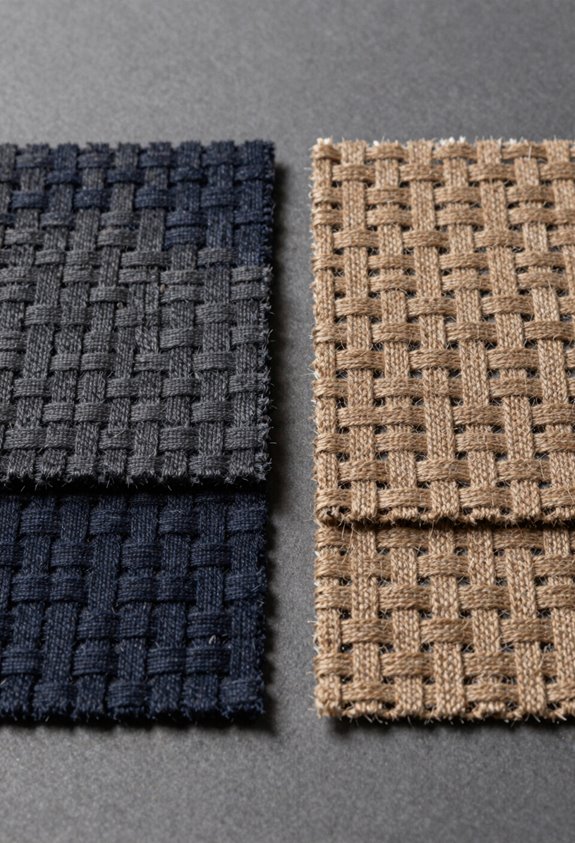
Weave density has a big impact on how breathable a fabric is. Ever wonder why some clothes feel more comfortable in the heat? That’s often because they use fabrics with a lower density or an open weave. These kinds of materials let air flow through better, which is crucial when you’re trying to stay cool. If you’re aiming for good temperature control, target an air permeability of around 150 L/m²/s—it makes a noticeable difference.
So, what affects breathability? Here are a few key points to consider:
- How well the fabric absorbs moisture
- The techniques used to construct the fabric
- Adjustments made to weave density
Think about tighter weaves for a moment. They may look nice, but they often restrict airflow, which can trap heat and leave you feeling sweaty. For better moisture management, looser weaves are generally the way to go. Understanding how these factors interact can help you choose clothes that not only feel great but also perform well, especially when you’re up against tough conditions.
In short, when you’re shopping for breathable fabrics, keep these tips in mind. You deserve comfort and performance, no matter where you are. What’s your go-to fabric for staying cool? Also, consider the quality materials used, as high-quality woven fabrics allow for more stretch and breathability in garments.
Recommended Products

Removable quilt liner

LAID BACK LOOK: Washed chambray and off-white contrast stitching give this casual garment washed men's shirt an authentic, laid-back look.

EVERYDAY ESSENTIAL: From the workweek to the weekend, this long-sleeve chambray blouse
The Trade-Off Between Warmth and Airflow in Fabrics
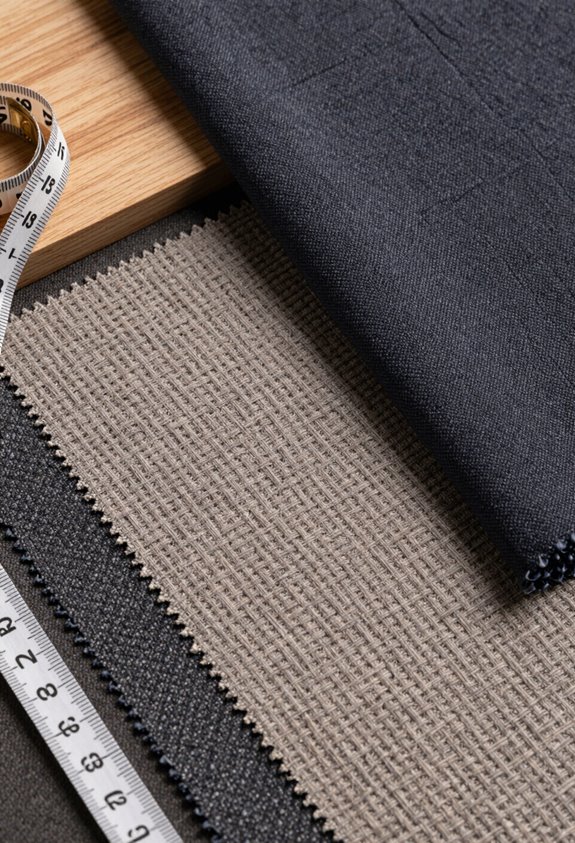
Choosing the right fabric can really be tricky, especially when you’re trying to find a good balance between staying warm and letting air flow through. You’ve probably noticed how some materials do a better job at keeping you toasty while others are great for keeping you cool. So, what’s the deal?
When it comes to fabric, here’s what you need to know:
- Tighter weaves are fantastic for trapping heat, which keeps you warm, but they can seriously limit airflow. This means you might end up feeling stuffy if you wear them for too long.
- On the flip side, loose weaves are perfect for promoting airflow and managing moisture, but they don’t provide as much insulation. If you’re in a cold place, this could leave you feeling a bit chilly.
If you’re gearing up for colder weather, look for fabrics that have a higher density in both the warp and weft. This gives you a nice blend of warmth with some breathability, stopping you from overheating when you’re out and about. For warmer climates, aim for fabrics that have an air permeability of 150 L/m²/s or more. This ensures you get that refreshing airflow you need to stay comfortable.
Honestly, understanding how these fabrics work together makes it way easier to pick the right one for your needs. Whether it’s hot or cold outside, being smart about your choices means you can stay comfy no matter the weather. So, next time you shop for clothes or gear, think about how these trade-offs play into your decisions. What’s your go-to fabric for different seasons? Merino wool, for instance, is excellent in this regard due to its natural moisture-wicking properties and breathability that help regulate temperature effectively.
Choosing the Right Weave Density for Climate?
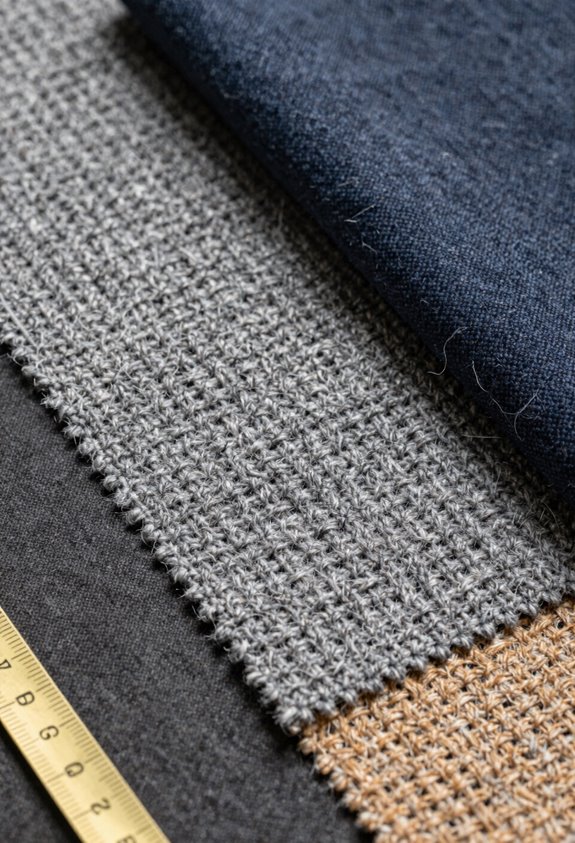
Are you struggling to decide what type of fabric to use based on where you live? Getting the weave density right isn’t just about style—it’s about comfort and functionality too. If you’re in a colder climate, a tighter weave is your best bet. It traps heat and keeps you cozy by holding onto that warm air, which is crucial when the temperature drops.
On the flip side, if you’re in a warmer area, you want to think about a looser weave. Why? Because it promotes breathability and lets air circulate, making it much easier for moisture to evaporate. This means you can stay cool and comfortable, even on those hot summer days.
Now, if you’re somewhere that has shifting seasons, you can’t go wrong with a medium weave density. It strikes a nice balance between warmth and breathability, so you won’t be stuck feeling too hot or too cold.
The best part is, choosing the right weave density can really change how you experience the season. So, take a moment to think about your local climate and make that decision accordingly. Are you ready to tackle the next season in style?
For optimal durability and comfort, also consider denim fabric weight and treatments that suit your climate and lifestyle.
Recommended Products

Indoor Comfort, Meets Outdoor Durability: This Belord 8-piece set includes two swivel rockers, two ottomans, two side table, loveseat and a fire pit table — offering ample and flexible seating for everyone in your multi-generational household.

Designed for Cozy Gatherings & Daily Lounging: Create your outdoor living room for family leisure, morning coffee, parties, BBQs or poolside game. The conversation set offering flexible arrangements for any space, backyard, balcony, garden, porch, deck, poolside patio and sunroom. This 8-piece set includes a 3-seat sofa, 4 armchairs, 2 ottomans, and a 54'' fire pit table

Recommended Fabrics for Different Seasons and Activities
Selecting the right fabrics for the seasons can feel like a daunting task, but don’t worry—I’ve got some straightforward tips to help you stay comfy and stylish, no matter the weather. Have you ever found yourself sweating buckets in July or freezing your toes off in January? It’s all about choosing the right fabric for the right time of year.
For those scorching summer days, lightweight fabrics are a must. Think cotton or linen that let your skin breathe and allow air to flow through. You’ll be grateful for that open weave when the temperatures soar!
When spring rolls around and autumn starts to cool, it’s time for midweight fabrics like merino wool or soft-shell materials. These are perfect for those in-between days where it might be chilly in the morning but warm up by afternoon. They offer just enough warmth without making you feel stuffy.
And let’s not forget winter. The best choice here is to go for heavier, dense weave materials like fleece or down. You need insulation that not only keeps you warm but also minimizes heat loss. Trust me, you’ll appreciate the extra layer when the cold hits.
Additionally, selecting denim with a fabric weight of 12-14 oz balances comfort and durability, making it an excellent choice for year-round wear.
To wrap it up, knowing which fabric to wear can totally change your comfort levels throughout the year. So, what fabric will you reach for next season?
Recommended Products

PREMIUM QUALITY BEACH TOWEL: These pool towels are crafted from excellent quality 420GSM 100% ring spun cotton. Our California cabana towel is oversized for extra coverage and woven with yarn-dyed cotton to ensure vibrant colors that won't fade easily. Soft, absorbent, and quick-drying, these towels are suitable for beach and pool activities. Reinforced stitching ensures they are durable enough for seasons of warm-weather fun! These are a blend of style and functionality

【500 Thread Count Pure Cotton Shell】 Encased in a downproof, 500-thread-count, 100% cotton sateen shell featuring a subtle Damask Swiss Dot design and double-needle edge with satin cord piping. OEKO-TEX Standard 100 certified, this soft and breathable fabric is durable, and helps regulate temperature for comfortable and cozy lasting comfort. Highly recommended for its luxurious feel.

【300 Thread Count Tencel Organic Cotton Shell】 Encased in a downproof, 300-thread-count shell crafted from 50% Tencel lyocell and 50% organic cotton and finished with fine double-needle edge piping. OEKO-TEX Standard 100 certified, this naturally soft and breathable fabric provides excellent moisture-wicking properties and helps regulate temperature for comfortable lasting comfort. Perfect for those seeking cooling comfort.
Maintaining Breathability in Fleece Fabrics
Are you tired of feeling too hot or sweaty while wearing fleece during your outdoor adventures? It can be tough to balance warmth and breathability, but it’s crucial for staying comfortable when you’re on the move. The key is finding fleece fabrics that let moisture escape while still keeping you cozy.
To really boost the breathability of your fleece, here are some tips you can follow:
- Go for lightweight options—in the range of 200-300 GSM (grams per square meter). They tend to manage moisture better.
- Check out designs that have tiny loops and piles. These create little air pockets, so you can stay warm without feeling stifled.
- Consider the weave. Tighter weaves can keep the heat in, but they might also limit airflow. Finding a good balance really matters.
So, why does this matter? Because staying dry and comfortable is such an important part of enjoying any activity. You don’t want to cut your adventure short just because you’re overheating! Fabrics with mesh linings help enhance ventilation, improving breathability without sacrificing warmth.
Frequently Asked Questions
Is 60% Cotton 40% Polyester Breathable?
Absolutely, 60% cotton and 40% polyester can be breathable! With cotton’s moisture absorption and polyester’s wicking benefits, this fabric blend strikes a balance, enhancing comfort levels while considering wearability factors and its environmental impact.
Are Heavier Fabrics Warmer?
Yes, heavier fabrics are warmer due to fabric weight and better thermal insulation. They trap air for warmth, but may hinder air circulation and moisture retention. We should consider layering strategies for outdoor activities.
What Is the Difference Between Breathable and Non Breathable Fabric?
Imagine wearing a cloak of clouds—breathable materials manage moisture with awesome ventilation properties, unlike thick fabrics that trap heat. We find success in garment layering for climate adaptability and enjoying comfortable thermal insulation on any adventure.
What Is 5000G m2 Fabric Breathability Rating?
A 5000 g/m² breathability rating highlights exceptional fabric performance, ensuring moisture management and thermal regulation. This industry standard boosts comfort levels in outdoor apparel, showcasing advanced fabric technology for active users in varying conditions.


