As an Amazon Associate, we earn from qualifying purchases. Some links on this site are affiliate links at no extra cost to you. Our recommendations are based on thorough research and editorial judgment.


The History of the Suit: How Military Uniforms Influenced Civil Wear

Have you ever wondered why your favorite suit feels a bit like military gear? It turns out, a lot of modern suits are influenced by military uniforms, shaping how they look and feel today.
Military jackets, especially from the Civil War era, were made with super durable wool, typically weighing around 12-14 ounces. This heavier fabric gives that nice structured feel we associate with a well-tailored suit.
You might notice tailored fits and strong shoulder lines in today’s styles—these details didn’t just appear by accident; they trace back to those military designs.
Ever thought about what colors say about formal wear? Navy blue and charcoal gray became staples, in part thanks to military influences. You’ll likely spot these shades in suits at weddings and business meetings alike.
Additionally, some fabrics have a military heritage. Take cotton, for example; it’s not just for your casual T-shirts anymore. It became essential for more relaxed styles like khakis, which are now part of many people’s work wardrobes.
Truth is, these military inspirations are everywhere in today’s fashion, and understanding their roots can help you make smarter choices in your own wardrobe.
What’s your go-to suit color, and do you think it reflects any of these historical influences?
Key Takeaways
- Military uniforms introduced structured shoulders and tailored fits, influencing the modern design of suits and formal attire.
- The cummerbund, used by British officers, added both style and functionality to men’s suits.
- Classic suit colors like navy blue were derived from military attire, shaping civilian formal wear standards.
- Button placements inspired by military designs enhance the refined appearance of contemporary suits.
- Military materials, such as cotton and khaki, transitioned into everyday fashion, making suits more practical and stylish.
Key Features of Civil War Uniforms and Their Legacy
When you think about Civil War uniforms, what comes to mind? If you’re like a lot of folks, you probably picture those bold colors: Union soldiers in dark blue and Confederate troops decked out in shades of gray. But there’s so much more to these uniforms than just aesthetics; they were practical, too, and their design has left a lasting mark on what we wear today.
Let’s break it down a bit. Here are some key features:
- Single-breasted jackets were the go-to style. They evolved from local militia looks, giving a clean, organized vibe.
- Each branch of the military had its own color scheme—red for artillery, yellow for cavalry, and light blue for infantry. This not only made it easy to identify troops but also added some flair to the battlefield.
- As for headgear, soldiers wore practical options like French-style kepis and forage caps, balancing function and fashion.
So, why does all this matter? Frankly, these military designs set a style standard that influences today’s men’s fashion. You can definitely see echoes of those Civil War looks in modern uniforms and even casual outfits.
Understanding the history behind those uniforms can help you appreciate the style around you. It’s fascinating how something from so long ago can find its way into what you might wear every day. What’s your favorite uniform style? Military attire also inspired the tailored fit and structured design seen in contemporary blazers.
Recommended Products

DURABLE & STYLISH LEATHER crafted with your choice of our signature Scrunch leather, Greasy leather or Full-Grain, the handcrafted silhouette and chunky toe is well-known both on and off campus.

Authentic Civil War Military Coat: The Heritage Robe Civil War Senior Officer’s Double Breasted Grey Wool Frock Coat is made from 100% guaranteed wool, offering an ideal balance of historical accuracy and comfort for Civil War reenactments and military coat collectors.
The Evolution of Military Uniforms and Their Impact

As military conflicts changed over time, the uniforms worn by soldiers adapted too, reflecting new technologies, tactics, and what society valued at the time. For instance, the Civil War was a huge turning point with its unique blue and gray military uniforms. Here are a few standout elements from that era:
- Shell jackets made a real difference, providing practicality during intense battles.
- Officers wore double-breasted uniforms adorned with fancy insignias that made them stand out.
Fabric choices played a big role, too. Wool and cotton were the go-to materials for durability, and these choices ended up influencing civilian clothing styles as well.
So, what about the hats? The kepi and Hardee hat helped showcase unit identities while also making their way into post-war fashion trends.
These changes didn’t just set a gold standard in military attire; they also paved the way for the modern menswear we see today. It’s fascinating how a uniform can blend function and style, affecting everyday wear and setting trends.
Further, the use of insulated materials in military garments influenced the development of pullover jackets that combine functionality with style.
Why does this matter? Well, every time you put on a jacket or a hat, you might just be wearing a piece of history. Keep this in mind next time you’re shopping or dressing up—style often has deeper roots than we realize.
How Military Design Influenced Suit Fashion

Have you ever wondered why suits look the way they do today? Military design has played a huge role in shaping contemporary suit fashion. It’s fascinating how elements from military uniforms, like structured shoulders and tailored fits, enhance the way modern suits fit and feel.
Let’s take a look at some specific details that make a difference:
- Ceremonial details: The cummerbund came from British military officers and it adds both function and style to a suit.
- Button placements: These are often inspired by military attire and provide a refined touch that elevates your overall look.
- Color choices: Classic shades like navy blue and charcoal gray are timeless options that always work for formal occasions.
Honestly, the accessories you choose can really boost your suit game, too. Polished shoes and hats can bring a whole new level to menswear. So, why does this matter? Because integrating these military-inspired details ensures that your suits not only meet formal standards but also look great at the same time.
The best part is, adopting these elements into your wardrobe can make a big difference in your style without any fuss. The right suit can enhance your presence at any formal event; it’s all about finding what works for you.
Additionally, choosing suits made from high-quality fabric blends can ensure durability and a comfortable fit that lasts throughout the day.
Why Color Matters in Military and Civil Attire?
How does color really make a difference in military and civilian attire? The colors you see in uniforms aren’t just random choices—they serve specific purposes and convey important messages.
Let’s dig into some color influences you might not have considered:
- Navy blue became the go-to for U.S. military uniforms in the 19th century, setting a standard that spilled over into formal civilian wear.
- Gray, the uniform color of Confederate Soldiers, has shaped southern-inspired fashion and continues to pop up in modern styles.
- Khaki was introduced by the British military, steering clothing trends toward practical earth tones we now see in casual wardrobes everywhere.
Military uniforms often use bold colors. For instance, red signifies rank, which is a clever approach that helps organize and convey authority. So, why does this matter? Well, this color hierarchy also influences civilian fashion. You can achieve a cohesive look in your outfits using insights from military attire principles, like pairing colors that complement each other well.
Try this: when choosing your clothes, think about how colors can work together to create a unified look. It’s not just about standing out; it’s about looking put-together, too. Whether you’re dressing up for a formal event or going out casually, these color choices can help convey professionalism and style.
Truth is, color matters more than we often realize, and small choices can lead to big differences in how we present ourselves. Next time you’re picking out an outfit, consider the colors that not only look good but also say something about you. What colors resonate with you and reflect your personality?
Incorporating elements like design detailing from military uniforms into civilian dress can further enhance your overall style and appearance.
Materials That Shaped Military and Civilian Fashion
Have you ever noticed how military fashion seems to pop up in everyday wear? It’s pretty fascinating how the materials made for uniforms have trickled down into civilian life, changing the way we dress. Military uniforms were built tough, using fabrics designed to take on some serious weather. By the time khaki uniforms rolled out in the mid-1800s, they transitioned effortlessly into civilian wardrobes—thanks to their practicality.
Let’s break down some standout materials and items that made this shift happen:
- Insulated leather: Think bomber jackets here. After WWI, these became a go-to staple—it’s hard to imagine a closet without one!
- Trench coats: Originally, these were rubberized military gear, but they evolved into classy outerwear. Most of today’s trench coats are made from gabardine, which keeps you dry and stylish.
- Cotton T-shirt: What started as military attire quickly became a must-have for everyone. Once they standardized it in the early 1900s, T-shirts moved into everyday fashion and never looked back.
Interestingly, corduroy fabric developed a reputation for durability and style, bridging military and civilian fashion throughout the decades.
So, why does this matter? It’s a reminder that even something as structured as military uniform design can influence casual fashion today. Keeping an eye on these historical threads helps you make smarter choices in your wardrobe.
The evolution of military-style clothing shows just how intertwined our lives are with these functional designs. Next time you pull on a bomber jacket or a classic trench, remember the history behind it. Do you think military style will continue to inspire fashion in the future?
Recommended Products

Natural Lambskin Leather Shell With Lamb Fur Shearling Lining

This is the most beautiful leather, soft yet repels stains. We have a few hides on hand in extra light weight and if you would like a brown or black jacket in super light weight please order your size and color and then send us a message! We will manufacture one for you.

Sheepskin Shearling B3 Flight Winter Jacket
Iconic Styles: Military Elements That Shaped Modern Suits
Have you ever noticed how often military styles pop up in modern suit designs? It’s true—military fashion has quietly influenced what we wear today. Just take a look at how tailored lines and structured looks remind us of those classic uniforms.
Consider these key features:
- Single-breasted and double-breasted jackets give you both functionality and a polished look.
- Epaulettes and braiding add a touch of visual interest while keeping things sophisticated.
- Colors like olive drab and khaki bring a nice variety to your wardrobe without being too flashy.
Tailoring techniques such as darts and seams are carefully crafted to allow for movement. This practicality, rooted in military designs, is now a staple of modern suits. These details, once worn only by Cavalry officers, now help strike the perfect balance between authority and elegance in everyday outfits. Many classic military styles use wool blends for warmth and durability, a material choice that has persisted into modern fashion.
Recommended Products
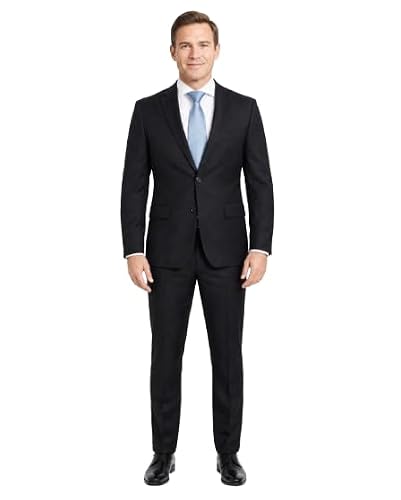
LUXURY WOOL FABRIC: Beautiful lightweight wool. Drapes superbly across the body. As good as the wool of luxury department store suits for a fraction of the price.

Jacket: Slim fit, two-button front closure, notch lapel, dual side vents, two front flap pockets, fully lined interior

Jacket: Modern fit, satin peak lapels, single breasted, one-button closure, two front flap pockets with black satin besom, chest pocket, 3 interior pockets, double side/back vents, fully lined, button detail on sleeve: Vest: single breasted 5 button closure, fully lined, adjustable back strap
How Military Uniforms Shape Modern Fashion Trends
Have you ever noticed how some of the best clothing choices you’ve come across have military roots? Military uniforms have historically been about function, but they’re also a huge inspiration for modern fashion. You can see this influence everywhere in men’s fashion today.
Take the structured fits of military jackets, for instance. They’ve helped shape what many of us now think of as the perfect modern silhouette. You’ll find that tailoring and attention to detail really make a difference in your overall look.
Another classic to consider is khaki and chino fabrics. These materials were first introduced by the British army back in 1848, and now they’re must-haves in our wardrobes. You’ll likely own a pair or two of casual or even formal trousers made from these comfy fabrics.
And then there are bomber jackets. Originally designed to keep pilots warm and comfortable, these have become true staples in many fashion-conscious closets. They’re versatile—great for transitioning from day to night—and the best part is they’re often available in a variety of styles and colors.
Let’s not forget trench coats. Originally built for combat, these classic pieces have stood the test of time and are now essential for any wardrobe. They’re perfect for layering and can elevate almost any outfit, whether you’re dressing up or going for a more casual vibe.
Also, think about military-inspired footwear. Chukka boots are a solid example of where military functionality meets contemporary style. They offer comfort and durability while still keeping you looking sharp.
So, why does this all matter? These styles show us that it’s not just about looking good; it’s also about wearing pieces that have stood the test of time and have a story behind them. Truth is, blending styles with history can really enhance your personal fashion sense. Polo shirts, for example, have evolved with features like moisture-wicking fabrics that balance style and function, a practical lesson drawn from military design principles.
Recommended Products

Regular Fit: extra room through the chest and waist for a classic fit

Model is 6' 3", 190 lbs, wearing a size Large

Regular Fit: extra room through the chest and waist for a classic fit
Frequently Asked Questions
What Role Did Military Tailors Play in Civil Fashion Development?
Military tailors noticeably shaped civil fashion, with 60% of bespoke suits reflecting military craftsmanship. Their tailoring techniques, fabric innovations, and design shifts introduced uniform utility while influencing gender roles and promoting sustainable fashion practices.
How Did Wartime Needs Influence Civilian Suit Design?
Wartime necessity shaped civilian suit design, emphasizing fabric functionality and combat practicality. We embraced structured cuts, streamlined silhouettes, strategic pocket placements, and color symbolism, responding to versatility demand and setting post-war trends that transformed everyday fashion.
Were There Any Cultural Influences on Military and Civil Clothing Styles?
We’ve seen how cultural symbolism shaped military and civil clothing styles, with fashion evolution reflecting historical context. Color palettes, fabric choices, and silhouette changes reveal menswear trends influenced by global cultures, sometimes risking cultural appropriation.
What Notable Fashion Designers Were Inspired by Military Aesthetics?
Many fashion designers, like Balmain and Zara, embrace military chic by incorporating tailored jackets, camouflage patterns, and military insignia. Their collections often showcase functional fabrics and structured silhouettes, reflecting utilitarian design and vintage aesthetics on fashion runways.
How Have Military Uniforms Adapted to Modern Fashion Sensibilities?
Have you ever noticed how military uniforms fuse with modern styles? We embrace tactical elegance and utility fashion, as retro uniforms evolve into urban camouflage, showcasing combat influences while creating modern silhouettes and functional aesthetics.


