As an Amazon Associate, we earn from qualifying purchases. Some links on this site are affiliate links at no extra cost to you. Our recommendations are based on thorough research and editorial judgment.


How to Roll Your Sleeves: The Master Roll vs. The Basic Roll

Rolling up your sleeves can really change how you look, but how do you do it right? If you’ve ever found yourself puzzled over different sleeve rolls, you’re not alone!
Let’s break down two popular techniques: the Basic Roll and the Master Roll.
The Basic Roll is pretty straightforward. Start by unbuttoning the cuff and gauntlet, then flip the cuff inside out. From there, make tight folds just below your elbow—aim for about 6-7 cm of your shirt’s fabric showing to keep things balanced. This method works well for a casual vibe, but it can get a little bulky if you’re not careful.
Now, if you want to step things up a bit, try the Master Roll. This one’s often viewed as the go-to for looking sharp. It gives you less bulk and shows off more of your cuff, which can scream professionalism. You’ll want to pick lightweight fabrics like poplin in classic colors, such as navy or pale blue, to really pull it off.
So, why does this matter? A well-rolled sleeve doesn’t just look good; it also signals a polished, put-together style. Honestly, these little details can elevate your overall appearance.
In short, whether you go for the Basic Roll or the more refined Master Roll, experimenting with both can help you find what suits you best.
Have you tried rolling your sleeves in different ways? What’s your favorite style?
Key Takeaways
- The Master Roll provides a sleek look with less bunching and is suitable for both professional and casual settings.
- The Basic Roll involves tighter folds and can lead to bunching if not done correctly.
- Both techniques require unbuttoning cuff and gauntlet buttons for ease of rolling.
- The Master Roll showcases cuff exposure and contrast lining, enhancing style and sophistication.
- Choose lightweight materials and ensure a clean fit to maintain a polished appearance when rolling sleeves.
Why Rolling Your Shirt Sleeves Is Important
Isn’t it frustrating when you’re stuck in a long-sleeved shirt on a warm day? Rolling your shirt sleeves isn’t just about looking good; it actually makes a real difference in comfort and style. Here’s why you should think about it:
– Temperature control: Letting your forearms breathe can really help, especially when it’s hot or you’re getting your hands dirty. Who wants to feel sticky and overheated, right?
A well-rolled sleeve works wonders for your look. It creates balance, especially when you’re not wearing a jacket, and helps you feel more put-together. Ever notice how a simple cuff roll can elevate your outfit?
What about professionalism? When you’re rolling your sleeves, it sends a clear message that you’re ready to tackle whatever comes your way. It’s an easy move that transitions smoothly between formal settings and casual hangouts.
So, what’s the best way to roll those sleeves? There are a couple of techniques you might want to try, like the Basic Roll or the Master Roll. The right method not only boosts how you look but keeps those cuffs clean, which means your shirt lasts longer and stays sharp.
Frankly, rolling your sleeves is an easy win that adds to your look and comfort. It takes just a moment but can change how you feel throughout the day. So, give it a shot and see how it goes—what’s stopping you?
Choosing shirts made from wrinkle-free fabrics can also help maintain a sharp appearance even after rolling your sleeves.
What You Need to Know Before You Start Rolling
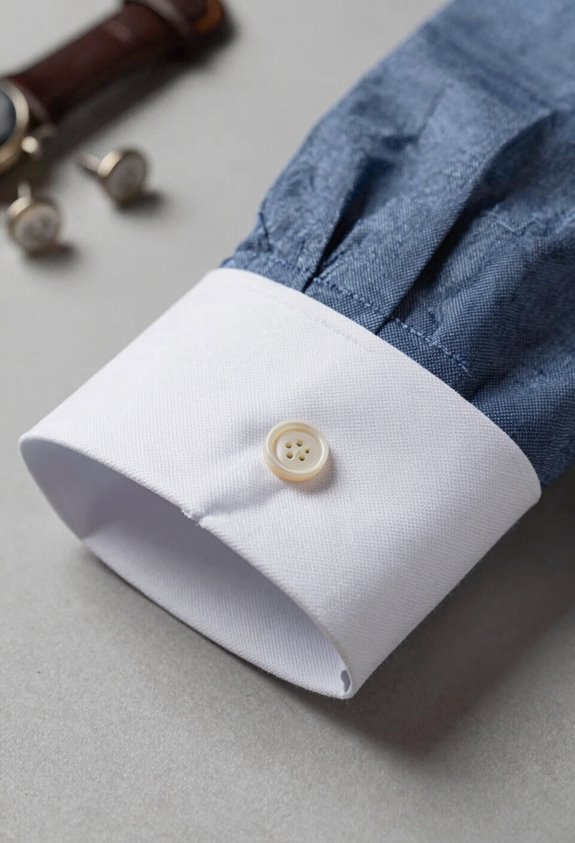
Have you ever found yourself wrestling with your shirt sleeves, unsure of how to make them look just right? Rolling your sleeves can seem simple, but if you want to nail that effortless look, there are a few things you should keep in mind.
First off, take a moment to unbutton the cuff and gauntlet buttons. This may seem minor, but it can make a big difference by preventing unnecessary strain on the seams, resulting in a smoother roll.
Next, think about the fabric of your shirt. Usually, lightweight materials like poplin work best for rolling, while heavier fabrics might need you to tweak your technique a bit.
As you get into it, remember to leave about 6-7 cm of your wrist exposed. This helps keep things balanced and gives you that polished appearance.
Don’t forget to ensure your sleeves are clean and dry before starting; nobody wants to wrestle with wrinkles. Honestly, a little prevention goes a long way in avoiding stressful situations while you’re trying to look your best.
You have some options when it comes to the roll itself. If you’re going for a neat, office-ready vibe, try the Basic Roll. For something a bit more sophisticated, the Master Roll offers a sleeker finish. Both methods have their strengths and can really elevate your outfit.
Before you dive in, just remind yourself: it’s all about the small details that can really pull your look together. What’s a shirt sleeve roll that you swear by?
Keep in mind that understanding the material durability of your shirt fabric can also greatly affect how smoothly your sleeves roll and hold throughout the day.
Recommended Products

FABRICATION: 100% cotton poplin, imported
Rugged enough to stand up to the rigors of Dutton Ranch, versatile enough to fit into any wardrobe, the Ariat x Yellowstone Herder Waxed Shirt Jacket is a timeless staple.
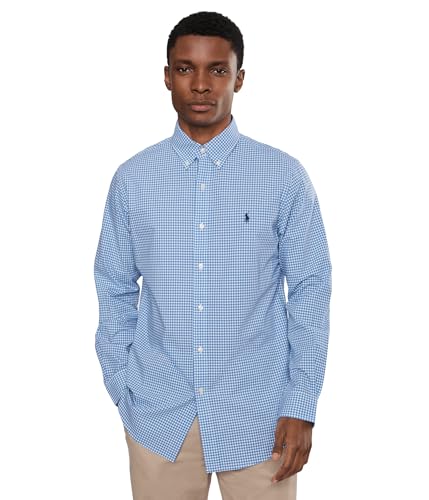
The Polo Ralph Lauren Classic Fit Stretch Poplin Shirt is tailored elegantly for modern professionals. The poplin shirt features a button-down collar, a full button-front closure, embroidered pony at the left chest, long sleeves with buttoned cuffs,
Learn the Basic Roll: Step-by-Step Guide
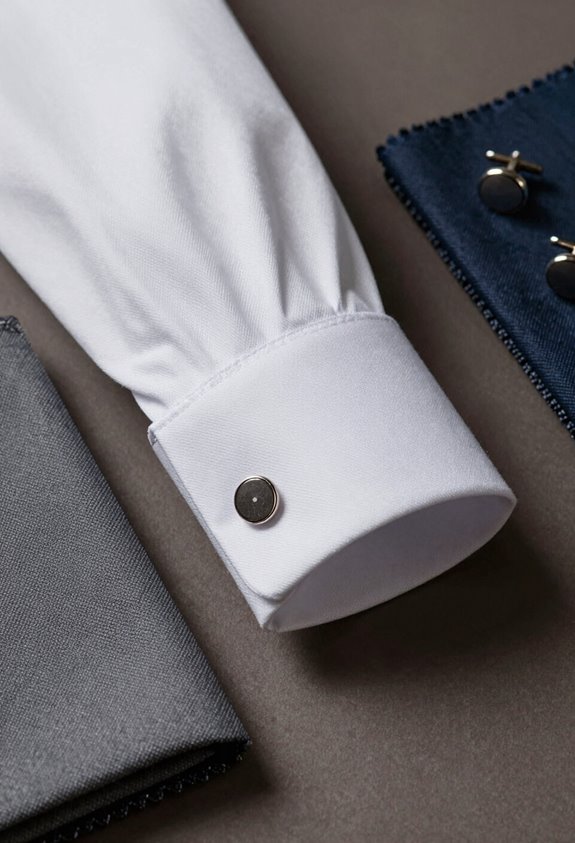
Feeling overwhelmed by how to roll your sleeves for that perfect casual look? You’re not alone! The Basic Roll is all about blending style with practicality, especially when you want to dress down. Let’s break down the steps to get it right.
Start by unbuttoning both the cuff and gauntlet buttons. This helps prevent that annoying seam stress when you roll your sleeves. Have you ever noticed how a simple unbuttoning can make all the difference?
Next, flip the cuff back inside out. This creates a clean base, ensuring the fabric lays flat against your wrist. You want a smooth look, free from any bunching.
Now, fold the cuff back, using its width as a guideline. Roll it so that the sleeves sit just below your elbow. It’s all about keeping it neat and tidy.
Take a moment to adjust everything for evenness. You want a few inches of wrist to show for that balanced, polished vibe. Trust me, it makes a difference in how you present yourself.
This method isn’t just easy; it really meets your need for a practical style without adding bulk. So, why not give the Basic Roll a try? You might just find it becomes your go-to look for any casual occasion!
Also, consider the fabric quality of your shirt, as lighter fabrics like linen or cotton are easier to roll neatly and maintain comfort throughout the day.
Recommended Products

【Warm tips】Dubinik mens flannel shirt mens flannel jacket mens plaid shirts long sleeve conform to US size, please refer to the size chart before buying, if you like a little looser, perhaps you can buy a size larger. Have any questions, please feel free to contact us and we will try our best to solve it for you.

Our Product has made great adjustments after August 2020. The jacket currently produced are US sizes. The fabric of the product has been upgraded to make the jacket warmer. You can enjoy it!

EXTENDED SIZES: Select colors are available in Big & Tall up to 5XL
Master the Master Roll Technique
Feeling like your rolled sleeves always end up a mess? If you want that neat, professional look without the fuss, you’ve got to try mastering the Master Roll. It’s perfect whether you’re at the office or out for drinks.
Here’s how to pull it off:
- First, unbutton the cuff and gauntlet buttons.
- Flip the cuff inside out for that polished touch.
- Next, fold the cuff halfway up the sleeve fabric. Adjust as needed to get rid of any excess material, creating a sleek silhouette.
So, why is the Master Roll worth your time? It helps tackle annoying bunching at the elbows and is a breeze to adjust. You won’t be fumbling with awkward rolls throughout the day.
Put in some practice with the Master Roll to make sure your dress shirt looks sharp every time you step out. Getting it down can really enhance that overall sophisticated vibe you’re going for.
For an elevated look, consider layering over a Merino wool sweater, which offers both style and comfort.
Want to step up your style game without breaking a sweat? Give this technique a shot and see the difference it makes!
Understand the Differences: Master Roll vs. Basic Roll
Have you ever rolled up your sleeves and felt like something just wasn’t quite right? It’s not just about folding fabric; it’s about the look and feel of your outfit. The way you roll your sleeves can seriously impact your overall style, which is why understanding the Master Roll and Basic Roll is so important.
Let’s break it down. The Master Roll, also known as the Italian Roll, is where it’s at for that sleek, polished look. You get that great cuff exposure, and it really shows off any contrasting lining. Plus, adjustments are a breeze — just a quick tug and you’re good to go. It’s perfect for both work and social events, making you look effortlessly put together.
On the flip side, you have the Basic Roll. This one involves several tight folds, which can keep everything secure. But if you’re not careful, it can lead to some bunching around the elbows. Nobody wants to deal with that awkward fabric issue, right?
Here’s a quick comparison for you:
- Master Roll: sleek folds, easy adjustments, versatile for professional and casual settings.
- Basic Roll: multiple tight folds, can fall below the elbow and create some bunching.
So, why does this matter? Choosing the right roll not only enhances your look but also showcases your attention to detail. Frankly, if you’re aiming for a more sophisticated vibe, the Master Roll is your best bet. Proper maintenance, similar to caring for durable leather suspenders, ensures your style lastingly impresses.
Fixing Common Sleeve Rolling Issues
Have you ever left the house feeling sharp, only to catch a glimpse of your sleeves sliding down? It’s frustrating when your rolled sleeves just won’t stay put. Let’s tackle those pesky sleeve rolling issues to keep your look polished all day long.
First things first: before you roll your sleeves, make sure to unbutton the cuff and gauntlet buttons. This simple step helps prevent that annoying seam stress which can lead to uncomfortable pulls.
Now, let’s talk technique. Try this: use the Master Roll method. It’s a great way to reduce fabric bulk, leading to neater, more manageable rolls. Aim to fold your sleeves comfortably with just 2–3 folds; this gives you better mobility while still looking put together.
But what if your rolls start sliding down after a while? Don’t fret! You can adjust them without tightening the band too much, which could lead to discomfort later. Regularly resetting the fabric memory by hanging your shirts after wearing them can really help, too. It keeps those rolls fresh for the next outing.
In addition, consider the fabric type of your shirt, as lighter and breathable materials tend to hold sleeve rolls better throughout the day.
So, why does this matter? A well-rolled sleeve not only keeps you looking sharp but also says a lot about your attention to detail. By focusing on these common sleeve rolling issues, you can maintain a professional appearance from morning to night.
In short, keep it simple and be mindful of your sleeves. You’ll appreciate that extra effort every time you catch your reflection! What’s your go-to method for rolling sleeves?
Recommended Products

415 LB SET OLYMPIC WEIGHT PLATES – Includes a 415 lb Set: 45 lb Pair (2), 35 lb Pair (1), 25 lb Pair (2), 10 lb Pair (2), 5 lb Pair (2), and 2.5 lb Pair (1) of 2-inch plates designed to fit all Olympic barbells. Collars not included.
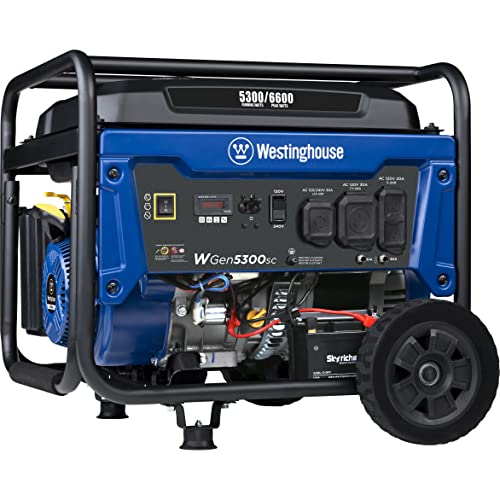
6600 Peak Watts & 5300 Running Watts; Electric Start; 4.7 Gallon Fuel Tank with Fuel Gauge; Up to 14.5 Hours of Run Time with 120/240V Volt Selector Switch

MADE IN GERMANY | Quality steel hanger with PVC coating which prevents clothes from slipping off and onto your floor. EURO SERIES | This series was created to support pullovers, outerwear, women’s sweaters, dresses, men’s dress shirts, and sweatshirts. No more shoulder bumps! Each hanger measures 15.5"w x 8."H and is .12" thick
How to Maintain Rolled Sleeves for a Polished Look?
Have you ever rolled up your sleeves, only to find they look more messy than polished? It can be frustrating when you want to look put-together, but your sleeves are letting you down. Keeping them looking sharp requires a few simple tricks and some easy care.
First off, when you’re getting ready to roll those sleeves, unbutton the cuff and gauntlet buttons. This little step helps prevent stress on the seams, which means your sleeves will hold their shape better. Make sure your sleeves are clean and dry before you start rolling—this will help you avoid any unwanted creases.
Try this: follow the fabric grain while rolling to keep everything looking neat, and create wide, confident folds. This technique not only looks nice but also maintains the sleeve’s shape.
After you’ve unrolled the sleeves, hang your shirts up right away. This helps reset any fabric memory, so they’ll stay crisp and ready to impress next time you wear them.
And let’s not forget about keeping those rolled-up sleeves free of dust and debris! Regularly use a compact lint roller on the cuffs. It’s a quick way to keep your look professional, even if you’ve been running around all day. So, why does this matter? Because those little details can make a big difference in your overall appearance.
For maintaining the best look, consider the fabric quality and care of your shirt to ensure durability and a structured drape over time.
Recommended Products

Abundance Quantity: this pet hair roller set includes 100 pieces of lint roller handles and 100 roll refills, each refill 30 sheets, providing you with a generous supply of total 3000 sheets; With this abundance of refills, you can tackle lint, pet hair, and fuzz on various surfaces for a long time

Large Quantity: with 40 rolls of 30 sheets per lint roller for pet hair, for a total of 1200 sheets, you can use them many times without always worrying about running out fast, and you can place the lint rollers in many places and keep them handy for easy access, bring convenience to your life

Scotch-Brite Lint Roller, 4 Rollers, 105 Sheets Per Roller
Choosing the Best Shirt for Sleeve Rolling
Choosing the right shirt for rolling your sleeves can really make a difference in how polished you look. Nobody wants to be stuck with bulky fabric around their arms, right? A fitted shirt can totally enhance the sleeve-rolling experience, so here are some tips that have worked well for me:
- Look for materials like poplin, twill, or go classic with oxford cloth. These fabrics are light and comfortable.
- Make sure the shirt fits well around your biceps. If it’s too tight, you’ll end up with annoying bulkiness.
- Quality counts! Stick with dress shirts that have cuffs designed for rolling, and skip the French cuffs—they’re not ideal for this look.
When it comes to rolling your sleeves, keep an eye on that elbow bunching. No one wants a lot of excess fabric making things look messy. Aim for a clean fit that allows you to roll past the cuff edge easily. Trust me, it creates a much sleeker look. If you’re wondering about colors, navy or pale blue is a solid choice. They highlight the cuff without showing any weird marks. Additionally, opting for shirts with a tailored fit can provide the perfect balance between style and comfort when rolling sleeves.
Recommended Products

EVERYDAY SHIRT: With a traditional buffalo check pattern, the lightweight poplin fabric and durable Easy Care features, this long sleeve button-down is something you will want to wear every single day.

PROFESSIONAL: Lightweight and breathable, this men's dress shirt has a professional edge thanks to a stain-release finish, which releases stains during washing. Color-coordinate with our Core Classic Pique Polos for seamless uniforming.

100% polyester robe and shirt
Frequently Asked Questions
What’s the Best Sleeve Rolling Method?
The best sleeve rolling method depends on our personal preference and occasion. For casual looks, we might favor a Basic Roll, while for professional attire, the Master Roll suits seasonal trends and fabric care beautifully.
What Are the Three Types of Sleeves?
In the tapestry of fashion, we embrace three sleeve types: set-in for formal attire, raglan for casual styles, and dolman for relaxed comfort. Each caters to our preferences, influenced by seasons and cultural trends.
How Does the Military Roll Their Sleeves?
We roll our sleeves military style with attention to sleeve discipline, using rolling techniques that consider fabric allowance for comfort and temperature control, ensuring a professional appearance while maintaining easy access and tactical advantage per uniform regulations and personal preference.
How Should You Roll up Your Sleeves?
When we roll up our sleeves, we consider sleeve length and fabric types, balancing style versatility with comfort level. Whether dressing for casual wear or professional attire, our personal preference shapes the perfect fit for the season.


