As an Amazon Associate, we earn from qualifying purchases. Some links on this site are affiliate links at no extra cost to you. Our recommendations are based on thorough research and editorial judgment.


Leather Grades 101: Full Grain, Top Grain, and Genuine Leather

When choosing leather, figuring out the different grades can feel daunting. Isn’t it annoying when you’re trying to decide between quality and price? Understanding what each type brings to the table can save you a lot of time—and money.
Let’s cut to the chase. Full grain leather is the best of the bunch—it’s thicker, tougher, and lets the material breathe. Typically around 1.6mm thick, it’s known for its durability and ability to age beautifully.
On the flip side, you’ve got top grain leather. It’s pretty strong, too, and usually falls between 1.2mm and 1.6mm in thickness. Great for everyday items that see a lot of wear.
Then there’s genuine leather, which you might hear about often. But here’s the truth: it mainly consists of split leather and offers lower quality, often with just about 20% actual leather content.
So, why does this matter? Well, the durability and breathability between these types vary greatly, which directly affects your wallet and your investment.
And don’t forget about the price. Full grain generally comes with a higher price tag, but it’s worth it for things you want to last.
Top grain offers a balance between quality and affordability. Remember, genuine leather might seem cheap, but you’ll probably be looking to replace it sooner than later.
In the end, think about how you plan to use the leather item and what matters most to you.
Want something that lasts? Full grain is your best bet. Want something that looks good but won’t break the bank? Top grain might be the way to go. It’s all about understanding your needs.
So, what’s your next leather purchase—a timeless full grain piece that’ll stand the test of time, or a practical top grain item?
Key Takeaways
- Full Grain Leather is the highest quality, retaining natural marks and developing a unique patina over time.
- Top Grain Leather is durable, less expensive than full grain, and comes in various finishes and textures, offering good quality.
- Genuine Leather generally refers to lower-quality materials, often containing mostly synthetic components, and lacks the durability of higher grades.
- Corrected Grain Leather provides a uniform appearance due to surface treatments, but it may sacrifice natural characteristics found in full or top grain leather.
- Bonded Leather consists of shredded leather scraps mixed with synthetics, offering affordability but significantly lower quality and durability compared to full and top grain leather.
What You Need to Know About Full Grain Leather
When you’re hunting for quality leather, full grain leather often comes up as the crème de la crème. You might wonder why that is. It’s all about the fact that it maintains the original grain of the hide, showing off those unique natural markings like scars and blemishes.
Let’s break down what makes full grain leather stand out:
- Breathability: It lets air circulate, which means moisture doesn’t linger and it stays fresher for longer.
- Durability: It’s the type of leather that gets better with age, developing a lovely patina that tells a story over time.
- Natural texture: This leather comes from the top part of the hide and hasn’t been messed with by polishing or heavy treatment.
Some top-notch examples you should know about are Horween Dublin, Derby, and Essex. These brands are favored for their amazing looks and strong performance. You’ll find that investing in full grain leather means you’re getting something that’s going to last and look good for years. When selecting leather for professional use, considering durability and craftsmanship ensures you get the best value and longevity in your leather goods.
The Characteristics of Top Grain Leather
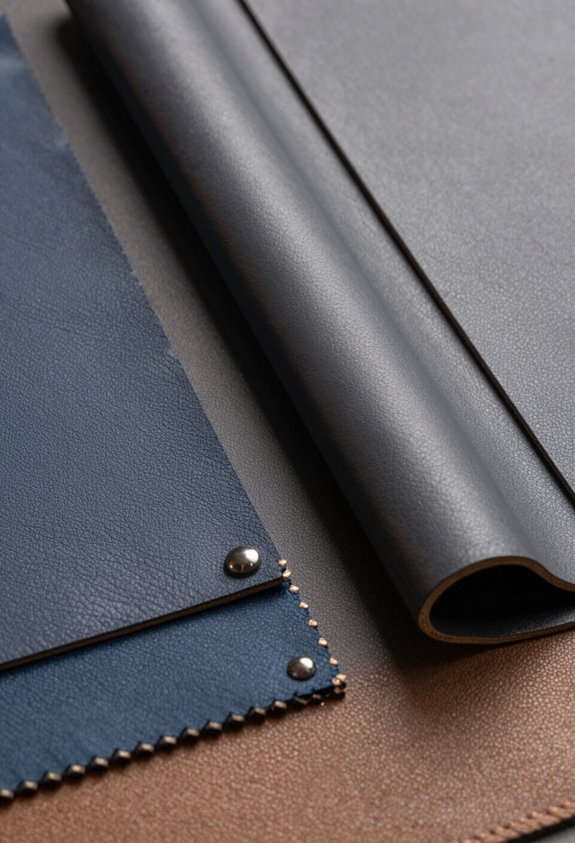
What’s the difference between full grain leather and top grain leather? If you’re shopping for leather goods, this is a question you might have asked yourself. Top grain leather is often overlooked, but it holds its own in the world of leather. It’s made from the upper layer of a split hide, and you’ll be impressed by its strength and durability. With a thickness of about 1.2 to 1.6mm, it’s built to last. Plus, you’ll notice that it has those charming natural surface characteristics that age beautifully.
So, what can you expect in terms of choices? Top grain leather gives you a wide range of options when it comes to:
- Finishes—think matte, glossy, or aniline
- Colors—such as rich mahogany, deep midnight blue, or timeless tan
- Textures—anything from smooth to pebbled
Honestly, one of the best parts about top grain leather is how well it holds up. It resists wear and tear, maintaining its good looks even with frequent use. That makes it a solid choice for high-end furniture, accessories, and clothing.
You might be wondering, “Why should I care about the differences?” The thing is, understanding the material can help you make the right choices when investing in quality products. Top grain leather combines durability with aesthetic appeal, giving you great value for your money.
In addition, thickness around 1.1mm enhances both protection and durability, important factors to consider for lasting quality.
In short, top grain leather is definitely worth considering. It offers a balance of strength and style that’s hard to beat. Have you thought about what your next leather purchase will be?
Is Corrected Grain Leather Worth It?

Is corrected grain leather truly a worthy investment for your leather goods? This question often comes up, especially if you’re looking to buy something that lasts. There are a few key points to consider before making a decision.
First, let’s talk about strength. Corrected grain leather is actually pretty durable, standing up well against wear and tear. You’ll find it holds up similarly to top grain leather, which is often considered the gold standard.
Then there’s the appearance. One thing to note is that surface treatments on this type of leather create a more uniform look by covering up imperfections. But that comes at a cost. You see, the sanding and pigmentation processes can strip away some of the leather’s natural character.
Now, if you’re considering different types, you’ve got options like Seidel Double-Shot Leather, smooth corrected grain, and embossed corrected grain. Each one has its own unique vibe, which can be fun to explore.
So, why does this matter? Well, while corrected grain leather is tougher than lower-quality options like split grain leather, it just doesn’t breathe as well and doesn’t age like full grain leather. Which is something to think about if you’re someone who appreciates the rich patina that comes with age.
Ultimately, it boils down to your priorities. Are you after aesthetic consistency, or do you value the beauty found in the natural markings of leather? It’s a trade-off worth considering before taking the plunge. For those seeking versatility in leather products, choosing premium materials like full grain leather often ensures better long-term satisfaction due to superior durability and material quality.
Why You Should Avoid Split Grain Leather
Let’s be real—when you’re looking for leather goods, it can be tempting to grab a budget-friendly option made from split grain leather. However, you should think twice before going this route. This type of leather often consists of leftover fibrous pieces that can feel almost plastic-like, and it simply doesn’t hold up against the quality of full grain or corrected grain leather.
Why does this matter? Because split grain leather has some significant downsides. Here are a few:
- It’s often labeled as “Genuine Leather,” which can be misleading for shoppers trying to make informed choices.
- Unlike better quality leathers, split grain doesn’t develop a patina and generally won’t last long.
- This material is usually found in lower-end products, which kind of cheapens the style statement you might be trying to make.
The truth is, opting for top grain or full grain leather is a smarter investment. These types are known for their durability and the ability to breathe, ensuring that your items look great and last longer. Plus, they elevate your overall style without feeling like a compromise.
What ‘Genuine Leather’ Actually Means
When you’re out shopping for leather goods, have you ever wondered what “Genuine Leather” really means? It sounds reassuring, right? Unfortunately, it often refers to lower-quality split leather. So, let’s break it down and get the lowdown on this term so you can make smarter choices.
First off, “Genuine Leather” might only have about 20% actual leather in it. The rest? Often mixed with materials like PVC. This isn’t the tough, beautiful hide you might envision when you think of high-quality leather. Instead, it often comes from the leftover fibers after the top layer of leather has been shaved off, and that’s a big deal when it comes to the durability and feel of the item.
You might think leather is leather, but the truth is, this kind lacks the durability and breathability that you’d expect from better types, such as full grain or top grain leather. When you touch it, or wear it, you can feel the difference. That’s why it’s essential to know what you’re really buying—look beyond the “Genuine Leather” tag.
So how do you ensure you’re getting a quality leather product? Try this: check the specifics of the leather type instead of just glancing at the label. Ask about the origin, and if that’s not available, be wary of products that primarily highlight the term “Genuine Leather” without specifying beyond that. Remember, just because it’s labeled as genuine doesn’t mean it meets high standards.
In short, when you’re shopping for leather, aim for the good stuff. It’s worth the effort to learn the difference. What’s your go-to tip for spotting quality leather? Also, just like selecting an argyle sweater, considering fabric quality and comfort is vital for durable, comfortable wear in leather goods.
How Is Bonded Leather Made?
Ever wonder what bonded leather really is and how it’s made? You might have come across this material while shopping for furniture or accessories, but it’s worth knowing what you’re getting into.
So, here’s the deal: bonded leather is a mix. It’s made from shredded leather scraps—usually about 20% real leather—blended with PVC and other fibers to create a uniform sheet. This means it can be affordable, but it also impacts the overall quality and durability.
Some key points to think about:
- Artificial embossing: This gives it that nice grainy look, but it’s not the real deal.
- Spray-painting: It helps achieve a consistent finish, but keep in mind that it also reduces breathability.
Now, you might be thinking, “Is it as good as full-grain leather?” Honestly, it’s not. While it might look similar, bonded leather won’t develop that rich, beautiful patina that comes with age. Plus, it can delaminate over time, which means it won’t last as long as you might hope.
If you’re on a budget, bonded leather can be a decent choice, but remember it doesn’t quite stack up against high-quality leather. It’s important to weigh the pros and cons before diving in. Does the savings outweigh the potential downsides? That’s something worth considering! Additionally, just like lightweight designs enhance anorak jackets’ comfort and functionality, understanding bonded leather’s characteristics can help you make an informed decision about its practicality.
Bonded Leather vs. Other Grades: A Comparison
When you’re in the market for leather goods, you might stumble upon something called bonded leather and wonder how it stacks up against other leather grades. It’s crucial to understand the key differences here, as they can really affect the quality and how long your purchase will last. Bonded leather is made mainly of PVC and only about 20% actual leather, which can be surprising to many.
First off, let’s talk durability. Bonded leather isn’t as tough as Full Grain or Top Grain leather, which are known for lasting ages. If you want something that can withstand the test of time and everyday wear, those higher grades would be the way to go.
Next, consider aesthetics. You’re likely to find that bonded leather has a consistent look, often with artificial embossing. This means it doesn’t carry the unique textures and markings that come with genuine hides. So, why does this matter? If you’re after a distinctive piece, bonded leather might leave you feeling a bit underwhelmed.
Now, when it comes to aging, this is where bonded leather really falls short. Full Grain leather beautifully develops a unique patina over time, adding character that you can’t replicate with bonded options. Unfortunately, the latter just doesn’t change much after you buy it.
Honestly, the labeling can be misleading. You might see “Genuine Leather” thrown around, which can confuse shoppers. But, be wary—this typically refers to a blend of scraps and synthetics, not the high-quality leather that folks expect.
For those seeking long-lasting outerwear, focusing on material durability and quality is essential, as seen in premium fabrics used in barn coats that offer both toughness and longevity.
Tips for Maintaining Your Leather Quality
Have you ever noticed how quickly leather items can lose their charm if you don’t take care of them? It’s a real bummer to see your favorite bag or jacket start to look worn out. Luckily, there are some easy ways to keep your leather looking sharp and lasting longer. Here are a few tips that I swear by:
First off, cleaning is key. Try this: grab a damp cloth and give your leather items a gentle wipe-down regularly. This little habit helps remove dirt and prevents buildup that can lead to damage over time.
Conditioning is another must. You don’t want your leather to dry out, right? Applying a good leather conditioner every 3-6 months keeps those natural oils in check and helps prevent cracking. I always keep a bottle handy—it’s worth it!
Storing your leather properly is just as important. Keep it in a cool, dry place, away from direct sunlight to avoid fading. Honestly, you wouldn’t leave your favorite sweater in the sun, so why do it with leather?
When it comes to managing moisture, act fast. If your leather gets wet, gently blot it and let it air dry away from heat sources. This will help prevent mold from setting in, which is a huge relief.
So, what about those annoying scuffs? If you’ve got full grain or top grain leather, here’s the trick: just buff or condition the scuffed areas. This little step can make a world of difference in keeping things looking premium.
Additionally, using water-resistant treatments can further protect your leather from damage and extend its lifespan.
The Impact of Leather Grades on Price and Value
Have you ever felt overwhelmed while shopping for leather goods? With so many options out there, understanding leather grades can really make a difference in your buying experience.
Let’s break it down. The leather grain tells you a lot about its quality and what you might pay:
- Full Grain: This is the gold standard. It’s super durable and comes with a premium price tag because of its natural look and feel.
- Top Grain: If you want good quality without breaking the bank, this might be your best bet. It’s generally less expensive than full grain and fits well in the mid-range category.
- Corrected Grain: This is a more budget-friendly choice. But keep in mind, it doesn’t have all the natural qualities that other grades offer, appealing mainly to those watching their wallets.
- Split and Bonded Leather: If you’re looking for the cheapest option, this is it. But don’t expect great durability or breathability with this type.
Now, about those “genuine leather” labels—you might think they assure quality, but that’s not always the case. It’s just a term that means it’s real leather, but the quality can vary widely. You don’t want to find yourself overpaying for something that doesn’t meet your expectations. In selecting quality products, considering fabric durability and material strength is just as important as understanding leather grades.
Frequently Asked Questions
Which Is Better, Top Grain Leather or Genuine Leather?
In our quality comparison, we believe top grain leather’s durability and aesthetic appeal outweighs genuine leather. Its natural characteristics and aging process create a superior product, making it the better choice for lasting investment.
What Are the 4 Grades of Leather?
Think of leather grades like a beautiful layered cake: Full Grain, Top Grain, Corrected Grain, and Split Grain each show distinct characteristics. The higher the grade, the richer and more unique the leather’s charm becomes.
Is a Full Grain Leather Couch Worth It?
Absolutely, a Full Grain Leather couch is worth it! Its unmatched durability guarantees couch longevity, and those unique imperfections add character. We believe investing now saves money later, transforming our living space into a luxurious retreat.
What Is the Difference Between Full Grain Leather and Genuine Leather Belts?
Full grain leather belts offer outstanding durability, lasting much longer than genuine leather options. We appreciate the unique characteristics and strength of full grain, while genuine leather often compromises on quality and wear resistance.


