As an Amazon Associate, we earn from qualifying purchases. Some links on this site are affiliate links at no extra cost to you. Our recommendations are based on thorough research and editorial judgment.


Understanding Wool Grades: What “Super 100s” Actually Means

Ever wonder what all those wool grades mean? If you’ve been on the hunt for a versatile fabric, you’ve probably come across “Super 100s.” This grade of wool is well-loved for a reason.
At an average diameter of 18.5 microns, it strikes a fantastic balance between softness and durability. So, what’s the big deal about it? For starters, Super 100s wool is naturally resistant to wrinkles, which is a huge plus when you’re getting dressed in a hurry.
And let’s not forget about breathability; it keeps you feeling fresh throughout the day, whether you’re at the office or out with friends.
When it comes to choosing the right wool, think about important features:
- Great drape that looks sharp
- Practicality for everyday life
- A superior feel that’s pleasant against the skin
These qualities really matter if you want something that’s comfy but also performs well. Honestly, taking the time to pick the right wool can make a big difference in how you feel wearing it.
If you’re looking to dive deeper into wool grades and what they can do for you, check out the various options out there.
In a world full of fabric choices, it’s worth exploring what works best for you. What’s your go-to clothing material?
Key Takeaways
- Super 100s wool features fibers averaging 18.5 microns, striking a balance between softness and strength for everyday clothing.
- It resists wrinkles effectively, maintaining a polished appearance and ensuring durability for regular wear in colder climates.
- The micron count influences fabric comfort, with Super 100s providing a luxurious touch compared to higher grades like Super 130s or 150s.
- Caring for Super 100s requires limited dry cleaning and tailored storage practices to prolong its lifespan and appearance.
- Ideal for polished casual wear, Super 100s offers versatility, while higher grades cater to special occasions due to their delicate nature.
What Are Wool Grades and Why Do They Matter?
Wool grades are really important when you’re trying to understand fabric quality and how well it’ll hold up over time. They measure the diameter of the fibers in microns, which plays a big role in how fine or durable the wool is. For example, Super 100s are made from fibers that are at least 18.5 microns thick. This means you get a nice balance between softness and strength, making them pretty perfect for everyday wear. On the other hand, if you’re looking at higher grades like Super 130s and above, you’re looking at even softer textures that are great for special occasions. Just keep in mind, those finer grades often need a bit more care.
When choosing the right wool grade, consider these factors:
- Fineness: Finer fibers usually mean better comfort.
- Durability: Sometimes lower grades like Super 80s can be more robust and better for everyday use.
- Fabric selection: Knowing your wool grades can help you match the right fabric to your specific needs. Wool with a higher wool composition such as Super 100s or higher often indicates superior comfort and quality in suit fabric.
Understanding Super 100s: Fiber Characteristics Explained

When it comes to picking the best wool options, understanding Super 100s can really make a difference in what you wear. Ever wonder why some fabrics feel luxuriously smooth yet hold up well over time? That’s the beauty of Super 100s, which has fibers around 18.5 microns in diameter.
- Key Characteristics:
- Fine Texture: It’s soft and smooth, perfect for those quality pieces you want to wear again and again.
- Durable: You get the softness without giving up on toughness—great for everyday wear.
- Weight: Usually a bit heavier, which makes it ideal for those chillier days of the year.
The best part is, Super 100s wool resists wrinkles like a champ, so you can maintain that sharp look throughout your busy day. This classification is all about fiber quality rather than how dense the fabric is. So, you’re not just getting any wool; you’re getting something that’ll last and look good for a long time. It’s no wonder that choosing Super 100s means you’re leaning into a fabric that stands out in wool quality. Think about how great it feels to know your clothes look polished and sophisticated every time you wear them.
Have you considered how fabric choice impacts how you feel in your clothes? Making that investment in quality wool not only boosts your style but also your confidence. For the perfect blend of warmth and breathability, many premium cardigans recommended are made from mid-weight Merino wool to maximize comfort and longevity.
Micron Count: How It Affects Wool Quality

Micron count is a big deal when it comes to wool quality. It affects everything from how comfortable a garment feels to how long it lasts. For instance, Super 100s wool has an average fiber diameter of 18.5 microns, which is what gives it that premium touch. Fine merino wool usually hovers between 18 and 19.5 microns, making it super soft and luxurious—perfect if you’re on the hunt for high-quality suits.
What’s the scoop here? Lower micron counts tend to mean softer wool fibers. This softness can really enhance the drape and sheen, making your outfit feel elegant. On the flip side, higher micron counts found in coarser wools often mean that the fabric is more durable, but it can come at the cost of comfort. So, if you’re balancing these two factors, it’s worth considering what’s more important to you.
Did you know that the International Wool Textile Organisation has a standard for these super numbers? This means you can trust that the wool fibers are accurately represented, which can make choosing the right fabric a bit easier.
When you’re shopping for wool, think about these key points:
- Softer wool fibers come from lower micron counts.
- Coarser wools with higher micron counts can be more durable but may not feel as nice.
- Understanding the standard classifications can help you make smarter decisions on fabric quality.
Also, just like how acid wash jeans require choosing the right fabric quality to ensure comfort and durability, selecting wool with the right micron count is essential for the garment’s longevity and feel.
Recapping, the micron count is crucial in figuring out what you’re getting when you buy wool. So, what will you prioritize: softness or durability?
Recommended Products

WARMEST MERINO WOOL HOODIE FOR WOMEN: Engineered for alpine extremes, the Mammoth Hoodie is Ibex’s warmest hoodie to date. Built with a dual-layer Merino wool construction, this heavyweight jacket is ideal for skiing, climbing, travel, or après. Designed to lock in warmth without sacrificing breathability, it offers unmatched comfort for cold-weather layering during high-output activities or downtime by the lodge.
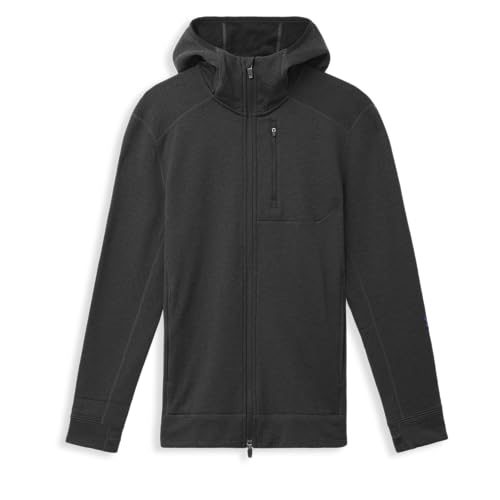
WARMEST MERINO WOOL HOODIE FOR MEN: Engineered for alpine extremes, the Mammoth Hoodie is Ibex’s warmest hoodie to date. Built with a dual-layer Merino wool construction, this heavyweight jacket is ideal for skiing, climbing, travel, or après. Designed to lock in warmth without sacrificing breathability, it offers unmatched comfort for cold-weather layering during high-output activities or downtime by the lodge.

PREMIUM MERINO WOOL BLEND: Crafted from 95% 18.5-micron merino wool and 5% spandex, the ScentLok Merino 250 Hoodie offers the perfect balance of softness, stretch, and durability. This high-quality fabric ensures long-lasting comfort and performance, making it an essential piece for outdoor enthusiasts.
How Super Numbers Translate to Fabric Feel
Understanding how Super numbers translate into fabric feel can really help you choose the right wool garment. Have you ever wondered why some wool feels softer or shinier than others? The Super number, like Super 100s or Super 150s, tells you about the fineness and texture of the fibers. Here’s what you need to keep in mind:
- Super 100s: These have fibers around 18.5 microns. They’re sturdy and have a refined feel, making them perfect for everyday business wear.
- Going higher: Super 150s, for example, feature even finer fibers at about 16 microns. You’ll notice a softer touch and a luxurious sheen that really elevates the look.
But don’t forget, it’s not just about the Super number. The way the fabric is woven also plays a big role in its breathability and overall texture. So, how does this translate into what you’re wearing? Well, as you go up in Super numbers, the texture changes from a matte finish to that gorgeous sheen you see in higher grades. Considering fabric quality factors such as GSM and fiber blends can also enhance the durability and luxury of wool garments.
Practical Advantages of Super 100s for Everyday Wear
Super 100s wool might just be what you need for your daily business outfits. The struggle to find high-quality fabric that’s durable yet practical is real, right? Here’s why Super 100s should be on your radar.
First off, the durability is impressive. The fibers are around 18.5 microns in diameter, which means they’re built to last. You won’t have to worry about your suits falling apart after just a few wears. Doesn’t that sound like a relief?
Now, if you’re someone who’s always on the go, you’ll appreciate how well these suits handle everyday wear. They resist creasing like a champ, so while you’re hustling through meetings, you won’t look like you just rolled out of bed. And if you’re working in a cooler climate, Super 100s have a decent weight that helps keep you warm throughout the day.
Don’t let the quality fool you into thinking it’ll cost you an arm and a leg, though. Super 100s offers a nice balance between performance and affordability. You can wear these suits frequently without worrying about them showing too much wear, so it’s a win-win for your wallet and your style.
Moreover, choosing a suit with natural fibers like wool can significantly enhance comfort, breathability, and durability, making Super 100s an excellent choice for formal wear that lasts.
Comparing Super 100S: What Sets It Apart From Other Grades?
When it comes to choosing wool for your suits, you might be wondering what makes Super 100s stand out among the various grades. Honestly, this grade hits the sweet spot for quality and comfort. Here’s what you need to know:
- The fibers are around 18.5 microns in diameter, which strikes a great balance between luxury and durability.
- You’ll find that Super 100s delivers a nice mix of softness and sturdiness, making it perfect for everyday wear without looking worn out too quickly.
- It’s actually more robust than some of the higher grades, like Super 130s or Super 150s. This means it’s got better resistance to wrinkling and pilling, so you can look sharp longer.
- While it may be heavier than those finer options, it still has a luxurious drape that makes it feel great on you.
- The best part is that it’s typically more affordable, so you can wear it to all sorts of formal events without breaking the bank.
So, why does this matter? When you’re investing in a suit, you want something that combines style with practical wearability. Super 100s offers that sophisticated balance, ensuring you look refined without sacrificing comfort.
In the end, if you’re on the hunt for a well-crafted suit that offers both durability and a polished appearance, Super 100s is definitely worth considering. Have you ever given this grade a try? Inspired by the emphasis on fabric quality in garments such as cotton blazers, choosing the right wool grade similarly centres on balancing softness and long-term performance for the best results.
Recommended Products
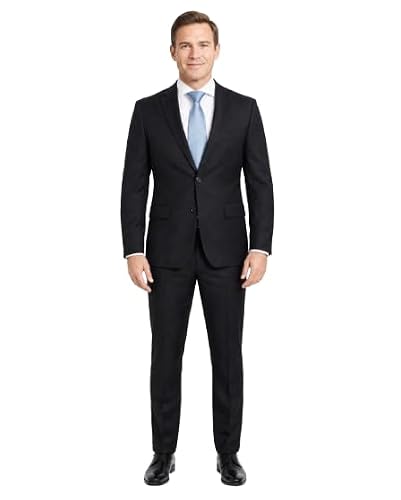
LUXURY WOOL FABRIC: Beautiful lightweight wool. Drapes superbly across the body. As good as the wool of luxury department store suits for a fraction of the price.

Jacket: Slim fit, two-button front closure, notch lapel, dual side vents, two front flap pockets, fully lined interior

Jacket: Modern fit, satin peak lapels, single breasted, one-button closure, two front flap pockets with black satin besom, chest pocket, 3 interior pockets, double side/back vents, fully lined, button detail on sleeve: Vest: single breasted 5 button closure, fully lined, adjustable back strap
Care Tips for Maintaining Your Super 100s Wool Suit
Proper maintenance is key to keeping your Super 100s wool suit looking great and lasting a long time. Ever noticed how dry cleaning too often can wear down those fine fibers? That’s why it’s best to limit dry cleaning to just a few times a year—think 1 to 3 at most. To help combat lint and keep your suit fresh between wears, grab a gentle wool brush. A natural bristle one does wonders!
Here’s the trick to keeping your suit smelling nice: air it out after each wear. It helps eliminate odors and keeps it feeling fresh. Storing your suit correctly is just as important. Make sure to use large cedar hangers; they’re perfect for maintaining the suit’s shape and tackling moisture. Plus, a protective garment bag helps keep pesky bugs away without ruining the fabric.
Now, some folks swear by mothballs, but honestly, that lingering smell isn’t worth it. Instead, try cedar blocks for natural pest protection. You want your suit to feel luxurious and fresh—right?
To wrap it up, taking care of your Super 100s wool suit is all about simple steps. Regular brushing, careful storage, and smart pest control can make a huge difference. Many leather bags feature multiple compartments that help keep accessories organized and protected, making them a useful travel companion alongside your suit. So, have you checked how you’re maintaining your suit lately?
Balancing Durability and Luxury: Understanding Wool Grades
Wool grades can really impact what you choose to wear, especially when you think about how to balance durability with a touch of luxury. Ever tried on a suit made from Super 100s wool? With fibers around 18.5 microns thick, it’s perfect for those business meetings and daily hustle. You get that combination of toughness and class—just right for everyday wear.
Now, if you’re considering something a bit fancier, you might look at higher super numbers like Super 150s or Super 160s. These grades use finer fibers, making them feel incredibly soft and luxurious. But here’s the catch: they don’t stand up as well to regular wear, so they’re best saved for special occasions when you really want to impress.
So, what should you wear on a daily basis? Think Super 100s or Super 120s. They strike a nice balance between comfort and looking sharp. It really all comes down to your lifestyle. Are you dressing for work every day or do you have a big event coming up? Understanding your needs helps determine the right wool grade for you.
Honestly, selecting the perfect wool is all about finding what fits your life best—functionality or flair. And at the end of the day, you want to feel good in what you wear, right? Additionally, choosing wool blends with over 70% wool content can enhance durability and breathability, perfect for everyday use.
Tailoring Your Suit: What to Consider With Different Wool Grades
Choosing the right wool grade for your suit can feel overwhelming, right? The grade not only affects how your suit fits but also the overall vibe you’re sending out. If you’re wearing a suit regularly, like for work, then Super 100s are a solid option. They strike that nice balance between durability and comfort, making them great for those big business meetings where you want to look sharp but still feel at ease.
So, what about the other grades? Here’s a quick rundown:
- Super 100s: At 18.5 microns, these are fantastic for suits you’ll wear often.
- Super 120s: A touch finer, they add versatility to your wardrobe.
- Super 130s to 150s: Luxurious options, but keep in mind they may not hold up well for everyday wear.
When considering fabrics, think about your lifestyle. If you’re in and out of meetings or events, go for something a bit more robust. In my experience, regular tailoring you’ll need means every suit should reflect your sense of style while also being practical.
Frankly, you don’t want to spend good money on a suit that’s going to wear out too quickly or requires too much fuss. So, ask yourself this: how often will you be wearing this suit? That’s the trick to picking the right wool grade. Make sure it meets your needs and looks great while doing it.
In short, think about how you’ll use the suit, and don’t shy away from investing in quality—your wardrobe will thank you for it. What’s your go-to suit fabric? Also, considering the fabric quality and material considerations can greatly influence how your suit holds up over time.
Recommended Products


For more than 4 yds order or a free swatch you can message the seller
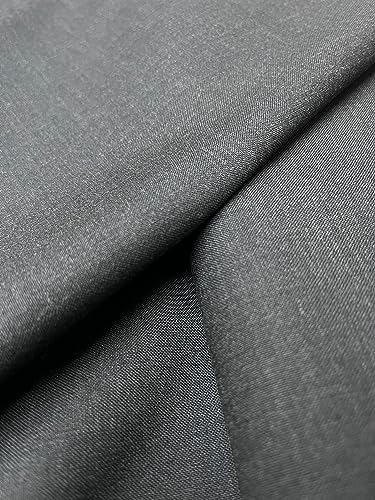
For more than 4 yds order or a free swatch you can message the seller
Choosing Your Perfect Super Wool: What Fits Your Needs?
Choosing the right super wool can be a bit tricky, especially if you wear suits often. It might play a big part in your comfort and overall style.
For those daily gigs where you need to look polished yet feel comfortable, Super 100s to 120 is your best bet. They’re tough enough to stand the test of everyday wear while still being chic.
- Characteristics: sturdy, versatile
- Diameter: about 18.5 microns
But what about those special occasions when you really want to impress? That’s when you should think about going for higher super fabrics like Super 150s. They offer a luxurious softness that feels fantastic and gives you a refined look.
- Benefits: luxurious softness, refined appearance
- Diameter: around 16 microns
So, why does this matter? It’s all about matching your choices to your lifestyle. For daily wear, focus on practicality, but for formal events, think finesse. The best part is that you can find wool options that look good and hold up well, no matter how often you wear them.
In fact, higher wool grades like Super 100s to Super 140s typically indicate higher-quality fabrics that balance durability and luxury, perfect for a variety of suit occasions.
In the end, choosing the right super wool means opting for both style and quality for all your suit needs. What’s your go-to fabric for dressing up?
Recommended Products

For more than 4 yds order or a free swatch you can message the seller

For more than 4 yds order oroa free swatch you can message the seller

For more than 4 yds order oroa free swatch you can message the seller
Frequently Asked Questions
What Does Super 100 Wool Mean?
Super 100 wool combines fine fiber characteristics with durable weaving techniques, offering warmth retention and texture differences. It’s suitable for everyday wear, balancing quality and environmental impact, while also requiring simple care methods for maintenance.
What Is the Difference Between Super 100 and Super 150?
What’s the difference between Super 100 and Super 150? We find Super 150 boasts finer fiber properties for luxurious suits, while Super 100 offers durability. Both represent high-quality wool, reflecting textile innovations and seasonal trends in suit tailoring.
What Is the Difference Between Super 130S and 150S?
Super 130s offers a balance of softness and durability, ideal for wear resistance, while Super 150s excels in softness, luxury, and colorfast properties. We should consider fabric durability, stain resistance, and sustainable sourcing when choosing.
What Is the Difference Between Super 110 and Super 130 Wool?
Super 110 offers durability and warmth retention for everyday wear, while Super 130 boasts finer fibers for added comfort and elegance. We’ll carefully consider their price variations and required care instructions when choosing our fabrics.


